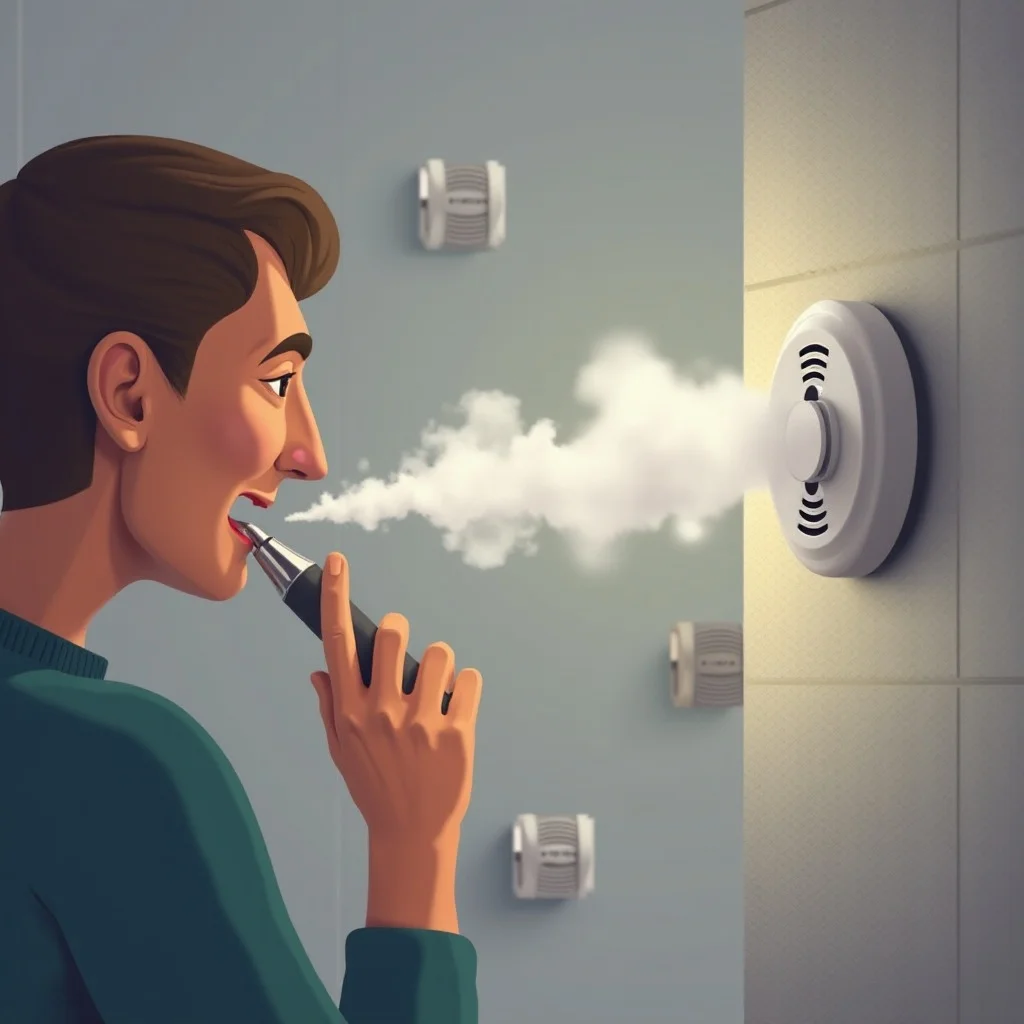
Carbon monoxide (CO) is a colorless, odorless gas that can be deadly without warning. Every year, thousands of people suffer from carbon monoxide poisoning, making it a top priority to ensure your home is properly protected. A reliable carbon monoxide detector is the best way to keep your family safe from this silent threat.
In this guide, we’ll walk you through the best carbon monoxide detectors of 2026, showcasing models with advanced features like smart connectivity, user-friendly designs, and affordable options that suit every budget.
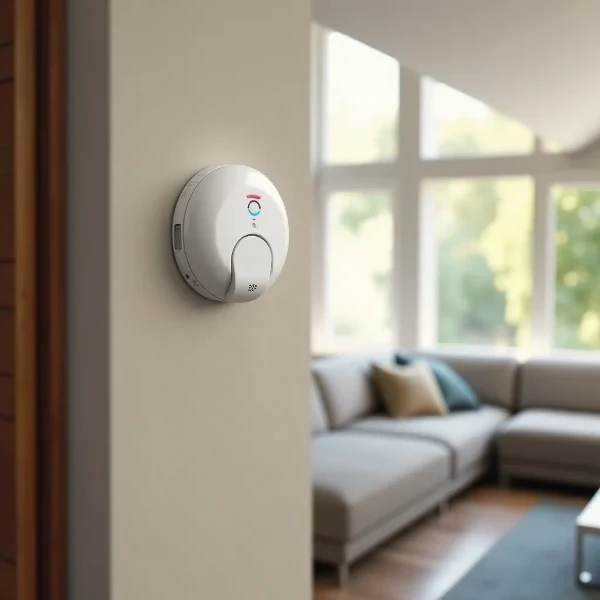
Why You Need a Carbon Monoxide Detector for Your Home
It’s easy to overlook the importance of a carbon monoxide detector—after all, it’s not something you can see or smell. But CO can build up quietly in your home, especially if you have appliances like gas stoves, space heaters, or fireplaces. Choosing the best rated CO detector for home use ensures early warnings that can save lives.
Understanding Carbon Monoxide Risks
Carbon monoxide forms when appliances burn fuel like gas, oil, or wood. If they’re not working properly or in a poorly ventilated area, CO can accumulate to dangerous levels. Early symptoms of poisoning can mimic the flu, so it’s easy to miss the signs until it’s too late. The only dependable safeguard is installing the best carbon monoxide alarm that alerts you before levels become dangerous. Modern CO detectors and alarms use advanced electrochemical sensors to provide faster and more accurate responses.
The Importance of Smoke and Carbon Monoxide Detectors Together
It’s not just about CO, smoke is an equally serious threat. That’s why many homeowners choose the best smoke and carbon monoxide detector for dual protection. A high-quality best smoke carbon monoxide alarm monitors both fire and toxic gas in a single unit.
Investing in the best home smoke and carbon monoxide detectors means fewer devices, simplified installation, and comprehensive coverage. These combination smoke and carbon monoxide sensors are ideal for bedrooms, hallways, and common areas.
Recommended Carbon Monoxide Detectors
When you’re choosing the best carbon monoxide detector for your home, you need to consider factors like reliability, smart features, and ease of installation. We’ve rounded up the best rated carbon monoxide detectors to help make your decision easier.
First Alert SC5 Smart Smoke and Carbon Monoxide Alarm (Battery)
The First Alert SC5 (model SMCO600NV) stands out as a premium battery-powered 2-in-1 smart alarm that combines advanced photoelectric smoke sensing (excellent for smoldering fires) with electrochemical CO detection.
Key upgrades include Wi-Fi connectivity via the First Alert app for real-time push notifications (even when you're away), spoken voice alerts with "Heads-Up" pre-alarms that specify the exact danger type and location ("Smoke in the basement" or similar), wireless interconnectivity (one alarm triggers all compatible units), precision detection technology to minimize nuisance alarms from cooking or steam, low-battery notifications to avoid midnight chirps, and an 85 dB siren.
Advantages:
Full smart home integration with app alerts and Nest compatibility for whole-home synchronized warnings
Voice alerts clearly identify the threat and location, reducing panic and confusion
Fully battery-operated with no wiring required—perfect for rentals, retrofits, or flexible placement
Precision sensors reduce false alarms while meeting strict new UL standards for faster, more accurate response
Kidde Hardwired Smart Smoke and Carbon Monoxide Detector
The Kidde P4010ACSCO-WF delivers permanent, code-compliant protection. It features photoelectric smoke sensing, electrochemical CO detection, Wi-Fi connectivity through the Kidde app for 24/7 status updates and mobile alerts, Smart Hush for silencing nuisance alarms remotely, voice announcements ("Fire!" or "Warning Carbon Monoxide"), and full interconnectivity with other Kidde hardwired alarms (one sounds, all sound + phone notification).
The glowing LED status ring provides at-a-glance monitoring, and the unit includes advanced sensing for reduced false alarms. It measures compactly for standard electrical boxes, produces an 85 dB alarm, and comes with a 10-year limited warranty.
Advantages:
Seamless whole-home interconnectivity—alarms trigger together across the house with app notifications
Voice alerts and Smart Hush via the Kidde app provide clear, controllable responses
LED status ring and QR-code setup make installation and monitoring effortless
Part of Kidde’s broader HomeSafe ecosystem for future expansion (leaks, air quality, etc.)
Kidde Smart Carbon Monoxide Detector and Indoor Air Quality Monitor
The Kidde KN-COP-DP-10YL-AQ-WF is the industry’s first plug-in device to combine electrochemical CO detection with real-time indoor air quality monitoring. It simply plugs into any standard 120V outlet, and connects via Wi-Fi to the Kidde app for instant alerts on elevated CO or poor air quality.
Additional perks include Smart Hush for false alarms, simple QR-code pairing, and status updates. It delivers an 85 dB alarm, focuses purely on CO safety plus health insights, and carries a 10-year limited warranty. Ideal for apartments, bedrooms, or kitchens where quick setup and extra air-quality awareness matter without hardwiring.
Advantages:
True plug-and-play installation—no tools or wiring needed
Unique dual monitoring of dangerous CO plus TVOC air quality for broader home health insights
App-based real-time alerts and Smart Hush give control from anywhere
Long 10-year lifespan with end-of-unit warnings eliminates frequent replacements
First Alert CO600 Plug-In
The First Alert CO600 remains an ultra-reliable, no-frills plug-in carbon monoxide alarm powered by a proven electrochemical sensor that accurately detects CO at any room location. It plugs directly into a standard outlet (no backup battery), sounds a loud 85 dB alarm in the standard T4 pattern when CO is detected, includes a single test/silence button, and features an end-of-life chirp after its service period.
Compact dimensions and a 7-year limited warranty make it perfect for small homes, apartments, garages, or supplemental coverage where smart features aren’t needed.
Advantages:
Extremely affordable while using the most accurate electrochemical sensing technology
Simple one-button test/silence and automatic end-of-life warning for easy maintenance
Loud 85 dB alarm designed to wake even sound sleepers
Compact, unobtrusive design that plugs in anywhere without blocking outlets awkwardly
Kidde Battery-Operated Carbon Monoxide Detector
The Kidde KN-COB-LP2 offers excellent long-term value as a portable, battery-powered electrochemical CO alarm that runs on two included AA batteries. It features a loud 85 dB pulsing alarm, test/reset button that also silences/hushes false alarms or low-battery warnings, clear LED indicators, and a 10-year limited warranty.
The low-battery chirp and visual cues serve as a clear battery-life indicator, while the compact design allows wall or tabletop placement anywhere. End-of-life chirps after 10 years ensure timely replacement. This model balances affordability, simplicity, and dependable protection for homes that don’t require smart connectivity or hardwiring.
Advantages:
Fully battery-operated for flexible placement and full protection during power outages
Visible and audible low-battery indicator plus hush feature prevents annoying false chirps
Easy one-button test/reset with clear LED status feedback
10-year warranty on a trusted, widely installed brand at a very accessible price
Key Features to Look for in a Carbon Monoxide Detector
Choosing the best carbon monoxide detector comes down to understanding which features will best protect your home. Here’s a breakdown of the most important elements to consider.
Sensor Types: Electrochemical vs. Metal-Oxide Sensors
The type of sensor in your carbon monoxide detector can affect its accuracy. Electrochemical sensors are the most precise, detecting even small amounts of CO and responding quickly. Metal-oxide sensors are more common in budget models but may not be as reliable in detecting low levels of CO. If you want the best performance, opt for a unit with an electrochemical sensor.
Power Source: Battery-Powered, Plug-In, or Hardwired
There are three main types of detectors: battery-powered, plug-in, and hardwired. Battery-powered detectors are portable and easy to install, but the batteries will need to be replaced regularly. Plug-in detectors don’t require batteries, making them a hassle-free choice for apartments or smaller homes. Hardwired detectors offer long-term reliability and are ideal for larger homes but require installation.
Smart Features: App Connectivity and Alerts
Many of the latest carbon monoxide detectors come with smart features. Models like the First Alert SC5 allow you to connect the detector to your smartphone, sending you alerts no matter where you are. Some detectors even integrate with your home’s other smart systems, such as lights or thermostats, giving you added convenience and control.
Combination vs. Single-Purpose Detectors
If you want the best protection, a combination smoke and carbon monoxide detector is a great choice. These units detect both fire and CO, making them perfect for smaller homes where space is limited. However, some people prefer separate units for each danger, as it allows for more accurate detection of each type of threat.
How to Choose the Best Carbon Monoxide Detector for Your Needs
Not all homes are the same, so it’s important to choose a carbon monoxide detector that fits your specific needs. Here’s a guide to help you pick the best model for your situation.
For Families with Young Children
If you have young children, you’ll want a carbon monoxide detector that’s both loud and clear in its alerts. Look for units with voice notifications, like the First Alert SC5, which will let everyone know exactly what’s happening. This feature can be especially helpful in emergencies when every second counts.
For Smart Homes and Tech-Savvy Users
If you’re into smart home tech, a smart carbon monoxide detector is the way to go. Models like the Kidde Hardwired Smart Detector offer app-based monitoring and even remote control. These units integrate seamlessly with other smart devices, making them perfect for anyone looking to stay connected and in control.
For Budget-Conscious Shoppers
If you need to stay within budget, there are still great options that offer excellent protection. The First Alert CO600 is a top contender for those on a tight budget. It doesn’t have the bells and whistles of more expensive models, but it’s reliable and gets the job done.
For Large Homes or Vacation Properties
For larger homes or vacation properties, you’ll likely need multiple detectors to cover the entire space. The Kidde Battery-Operated model is perfect for this because it’s easy to install, portable, and effective. You can add detectors in each room, ensuring every corner of your home is protected.
Installation and Maintenance Tips for Carbon Monoxide Detectors
Installing and maintaining your carbon monoxide detector properly is crucial to ensuring it works when you need it most.
Where to Install Your CO and Smoke Detectors
For optimal protection, place CO detectors near sleeping areas and on every floor of your home. Make sure to keep them at least 15 feet away from appliances like stoves and furnaces. Avoid installing them near vents, windows, or in direct sunlight, as these factors can affect their accuracy.
How to Test and Maintain Your Detectors
Test your carbon monoxide detector once a month by pressing the test button. Check the batteries regularly and replace them at least once a year. If you’re dealing with smoke detector chirping, it’s often a low-battery warning or an end-of-life indicator—fix it right away so your alerts are dependable. Most detectors should be replaced every 5-7 years, so make sure to follow the manufacturer’s guidelines.
Conclusion
The best carbon monoxide detector is one that meets your home’s unique needs, whether you want smart features, budget-friendliness, or a reliable plug-in model. Make sure to regularly test and maintain your detectors, so they’re always ready to protect your family. To secure your home, pair reliable detection with routine testing and timely replacement.