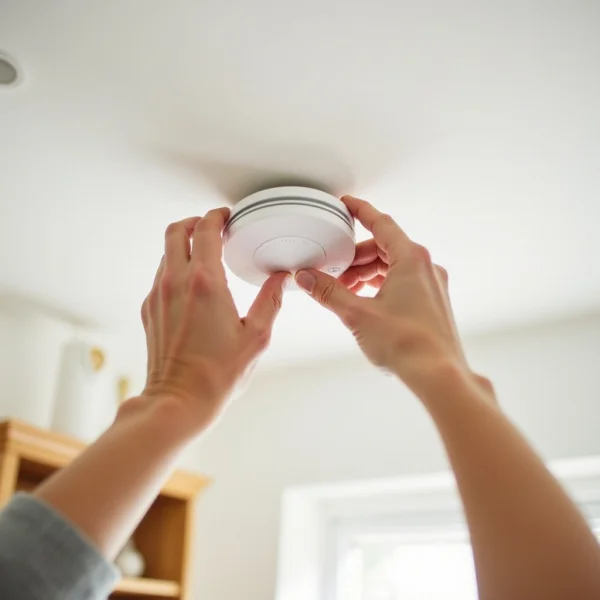
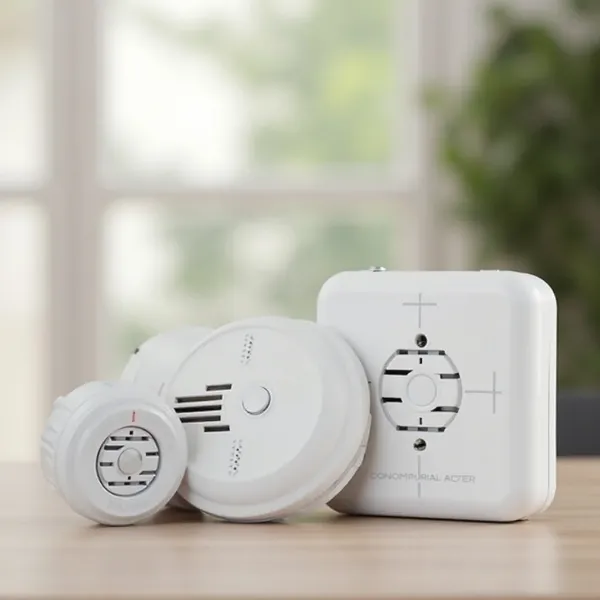
Steam, whether from a hot shower or boiling water on the stove, is a part of everyday life. But can steam set off a fire alarm? Frustratingly, the answer is yes, and such false alarms happen from time to time.
The good news is, there are simple solutions to keep your alarms working properly and avoid those false alerts. Let’s explore why steam can trigger fire alarms and what you can do about it.
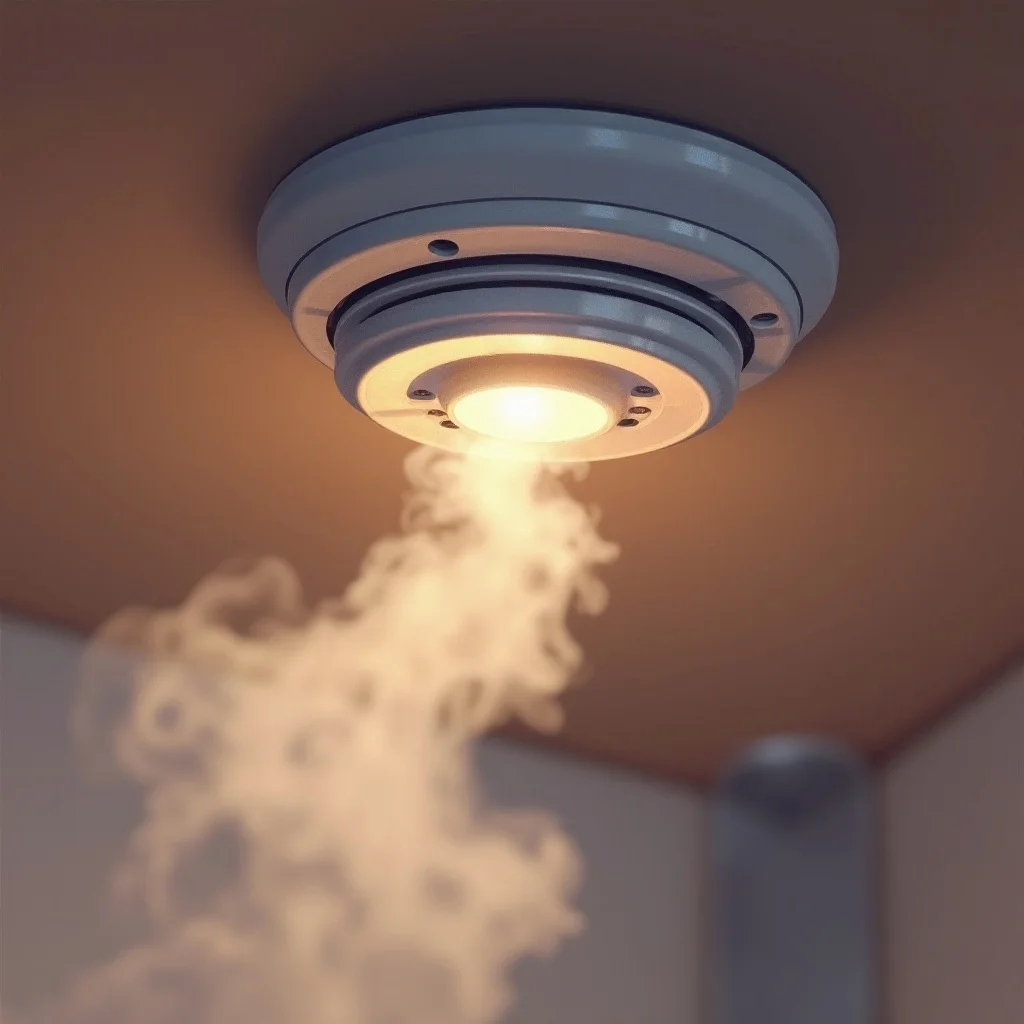
Can Steam Set Off a Fire Alarm or Smoke Alarm?
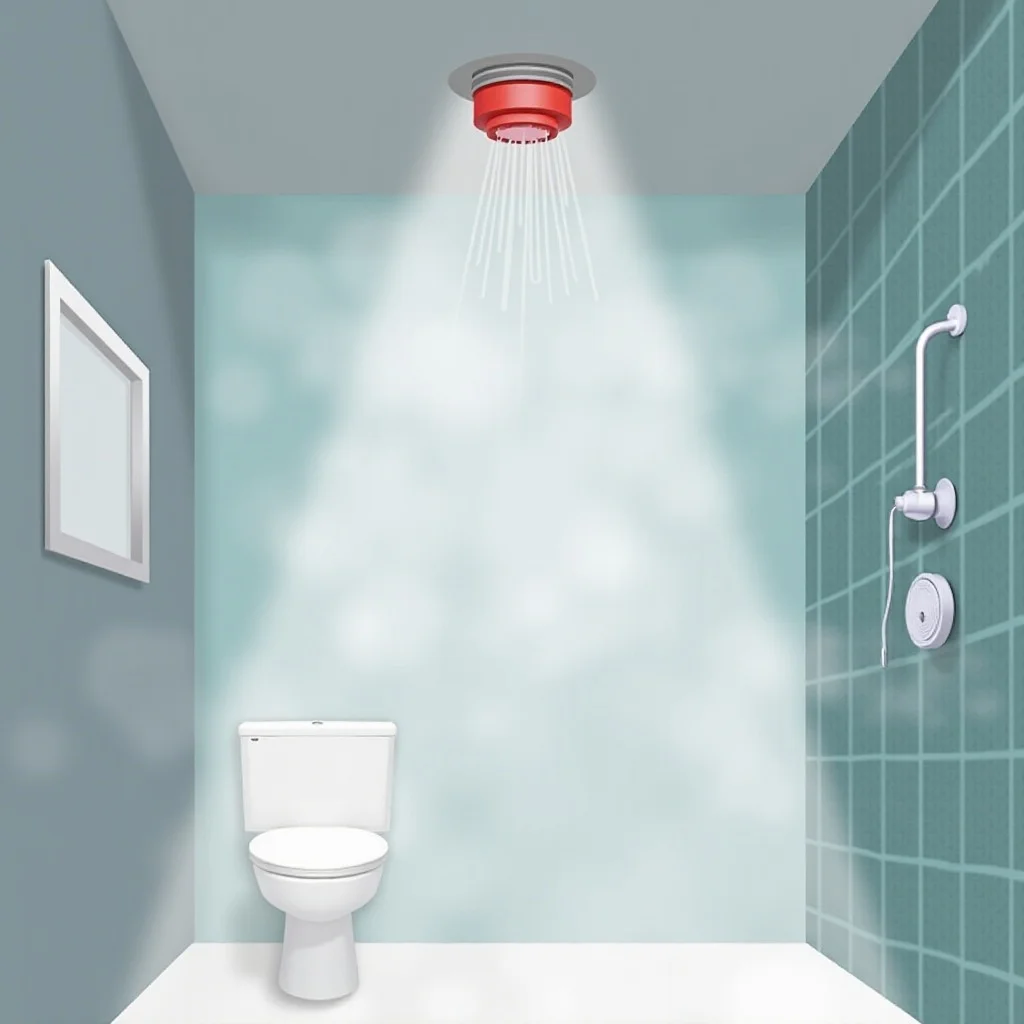
Will steam set off a fire alarm? Yes, steam can trigger a fire alarm, especially if it’s dense or concentrated. Both smoke and fire alarms are designed to detect changes in the air, such as particles from smoke or rapid changes in temperature. Smoke alarms—especially ionization and photoelectric types—are sensitive to airborne particles. Steam, though it’s just water vapor, can confuse the alarm into thinking there’s smoke or a fire nearby.
Key Reasons for Steam Causing a Fire Alarm
There are several reasons why steam from showers or cooking can set off your fire alarm. Here’s why it happens:
- High Humidity: Steam significantly increases the humidity in the air. Smoke detectors are designed to pick up on changes in the environment, and the moisture from steam can trigger them, much like smoke particles would.
- Proximity to the Detector: If your smoke detector is too close to a bathroom or kitchen, steam is more likely to travel directly into the sensor, causing a false alarm.
- Poor Ventilation: Without proper ventilation, steam can accumulate in the air, making it easier for the particles to reach the alarm. Exhaust fans and range hoods can help by moving the steam out of the room.
- Ionization Sensitivity: Ionization smoke detectors are particularly vulnerable to steam. These alarms detect changes in the ionization levels of the air, which can be affected by water vapor. This is one of the main reasons why steam can trigger them.
- Cooking: Cooking can also release steam, especially from boiling water, frying, or grilling. While it’s not smoke, the steam might trigger the alarm, especially if there’s little ventilation.
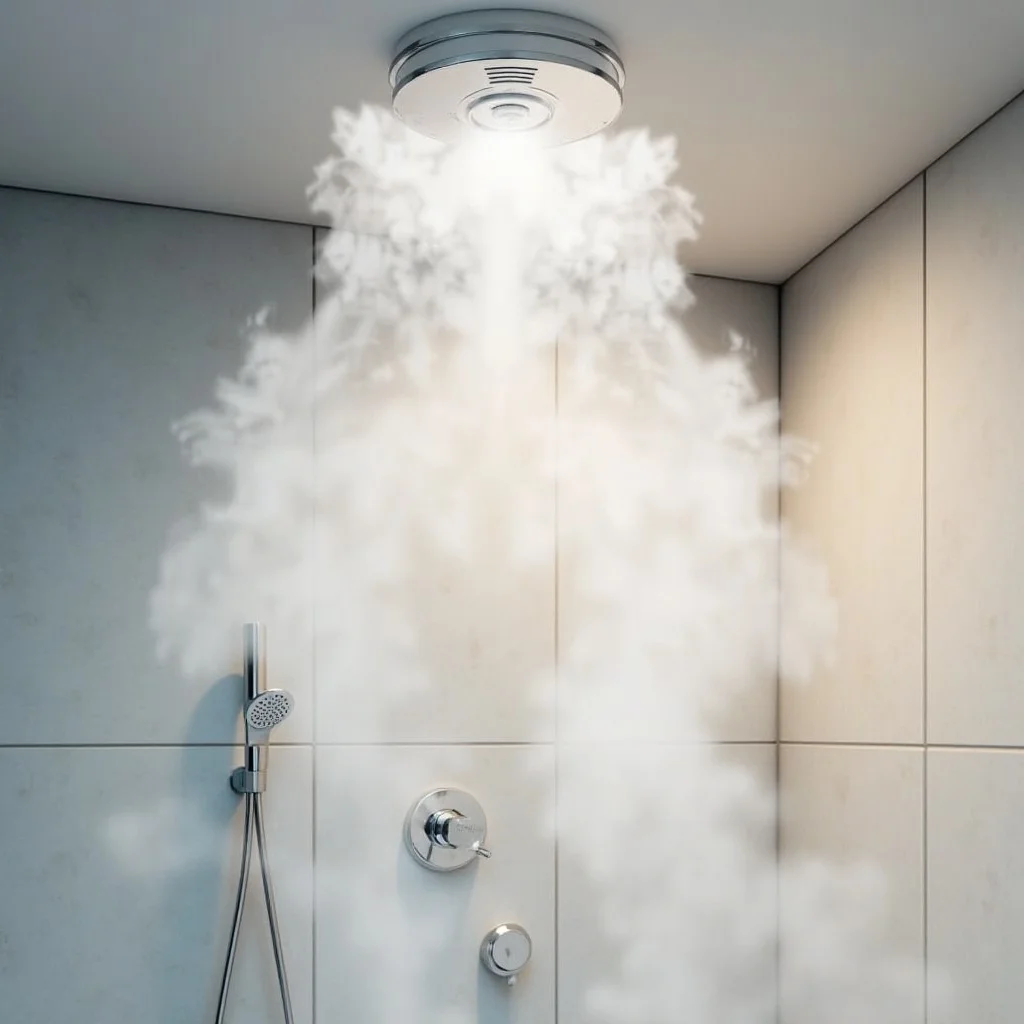
How to Prevent Steam from Triggering Fire Alarms
While the answer to "Can a fire alarm be set off by steam" is yes, there are simple ways to keep steam from setting off your fire alarm. By making a few adjustments, you can ensure your alarms are only triggered in case of an actual emergency.
Use Bathroom Extractor Fans and Kitchen Stove Hoods
Using extractor fans in the bathroom and stove hoods in the kitchen is one of the best ways to prevent steam from accumulating. These fans help to remove excess moisture from the air, reducing the chance of triggering your fire alarm. If your bathroom doesn’t have a fan, consider installing one to keep the air dry while you shower.
Relocate Smoke Detectors Away from High-Steam Areas
Consider moving smoke detectors away from high-steam areas like the bathroom or kitchen. Ideally, smoke detectors should be placed at least 10 feet away from these areas to reduce the risk of false alarms. This is particularly important if your smoke detectors are of the ionization type, which are more sensitive to humidity.
Keep Bathroom Doors Closed During Showers
A simple trick to reduce steam buildup in the bathroom is to keep the door closed while you shower. This will help contain the steam and prevent it from spreading into areas with smoke detectors. Also, consider opening a window or running the exhaust fan during and after your shower to promote air circulation.
Use Heat Detectors Rather than Smoke Detectors
In areas with frequent steam, you might want to consider using heat detectors instead of traditional smoke alarms. Heat detectors are designed to sense rapid temperature changes rather than particles in the air. This means they’re less likely to be triggered by steam, making them ideal for kitchens and bathrooms.
What To Do If Your Smoke Alarm Goes Off Due to Steam
Does steam set off a smoke alarm? Sometimes, despite all precautions, steam can still set off the fire alarm. If this happens, here’s what you can do to quickly resolve the situation:
How to Quickly Reset Your Alarm
Most modern smoke alarms have a reset button that you can press to silence the alarm. After the steam has dissipated, simply press the reset button to stop the alarm. Make sure the steam has cleared out of the room before resetting the alarm to avoid triggering it again.
Using the “Hush” Button to Silence False Alarms
Many smoke detectors come with a “hush” button that silences the alarm temporarily, typically for about 10 minutes. If your smoke detector has this feature, use it to stop the alarm and give the steam time to clear. This can be a quick and easy fix if you’re dealing with a false alarm.
Fan or Towel Method: Clearing the Steam
If the alarm goes off, use a fan or wave a towel near the detector to clear the steam. Opening a window can also help to ventilate the area quickly. Once the steam is cleared, the alarm should stop on its own.
Preventing Future Steam Triggered Alarms
Going forward, be sure to use your bathroom or kitchen fans while generating steam. This will help reduce the buildup of moisture and keep your smoke alarms from going off unnecessarily. Proper ventilation can go a long way in preventing false alarms.

Conclusion
Can steam set off a fire alarm? Steam can indeed set off a fire alarm, but understanding why it happens and how to prevent it can save you a lot of frustration. By taking a few simple precautions—like using extractor fans, relocating your detectors, or opting for heat detectors—you can significantly reduce the chances of a false alarm. And if your alarm does go off due to steam, don’t panic. Follow the steps to reset it, clear the air, and enjoy a peaceful, alarm-free home.