Creating your own DIY home security system is a smart, affordable way to protect your home. By installing sensors, cameras, and smart devices yourself, you gain control over your security setup while saving money on expensive monitoring fees.
Whether you're looking for a simple solution or a fully integrated smart home system, a DIY security system can be tailored to your needs. In this guide, we’ll walk you through everything you need to know about DIY home security—from the essential components to the top-rated systems.
What is a DIY Home Security System?
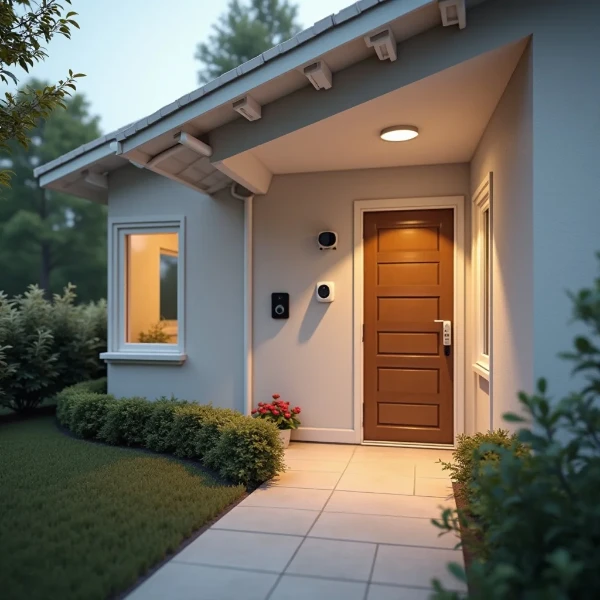
A DIY home security system lets you design and install your own security setup, using devices like motion detectors, security cameras, and door/window sensors. These systems can be easily customized and controlled through your smartphone, allowing you to monitor your home remotely. Whether you're safeguarding a small apartment or a large home, a DIY system can offer peace of mind with flexible and easy-to-manage solutions.
Why Choose DIY Security Systems?
DIY home security systems are gaining popularity for several good reasons:
- Cost-effective: Save money on professional installation fees and monitoring costs.
- Customizable: Tailor the system to your unique needs, adding or removing components as you see fit.
- Control: You’re in charge of your system, including monitoring and notifications, all through your mobile device.
In comparison to professionally monitored systems, DIY options provide more flexibility. While you won’t have 24/7 support, many systems come with customer service and online troubleshooting resources to help you if you need assistance.
Key Components of a DIY Home Security System
Building a solid DIY home security system requires a mix of components, including sensors, cameras, and smart devices. Let’s dive into each essential part of your setup.
Base Station and Keypad
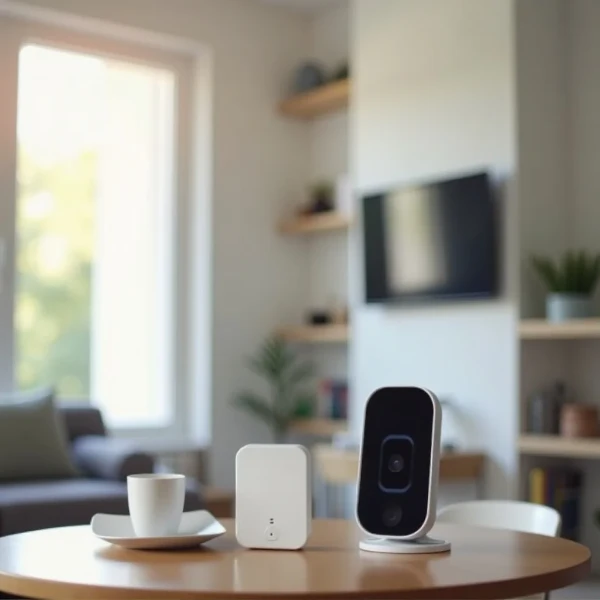
The base station is the core of your DIY security system. It connects all of your devices and communicates with your mobile app, giving you control of your system from anywhere. You’ll also need a keypad to arm or disarm the system manually. Some systems offer a touchscreen interface, while others use simple keypads, depending on your preferences.
Door and Window Sensors
Door and window sensors are essential for any DIY security setup. These sensors alert you whenever an entry point is opened, whether it’s a door, window, or even a garage. These devices are a simple but effective way to protect your home from unauthorized access, alerting you to potential break-ins right away.
Motion Detectors
Motion detectors are critical for monitoring larger spaces and interior areas. They detect movement and trigger an alert when someone enters the room. You can install them in hallways, living rooms, or near entry points to increase security. Some advanced models can differentiate between pets and humans, reducing false alarms.
Security Cameras
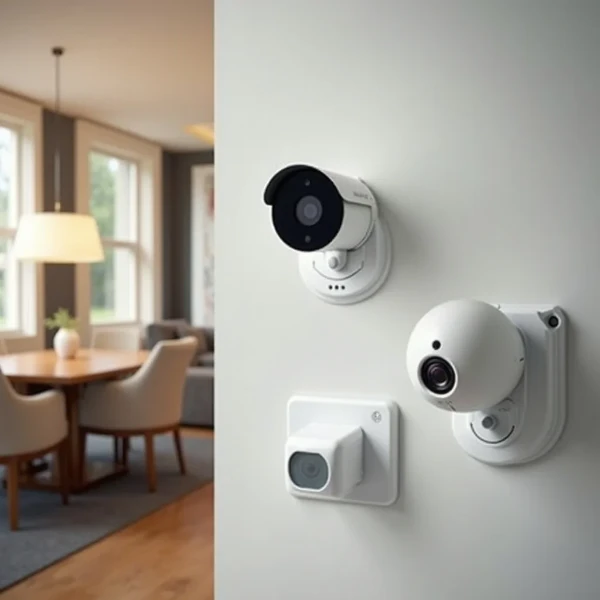
Security cameras are one of the most visible deterrents for burglars. They let you keep an eye on both the inside and outside of your home, monitoring high-risk areas like doors, driveways, and backyards. Many systems offer HD video, night vision, and even two-way audio, allowing you to talk to visitors or potential intruders in real-time. With cloud storage options, you can easily review footage from your phone or computer.
Glass Break Sensors and Environmental Sensors
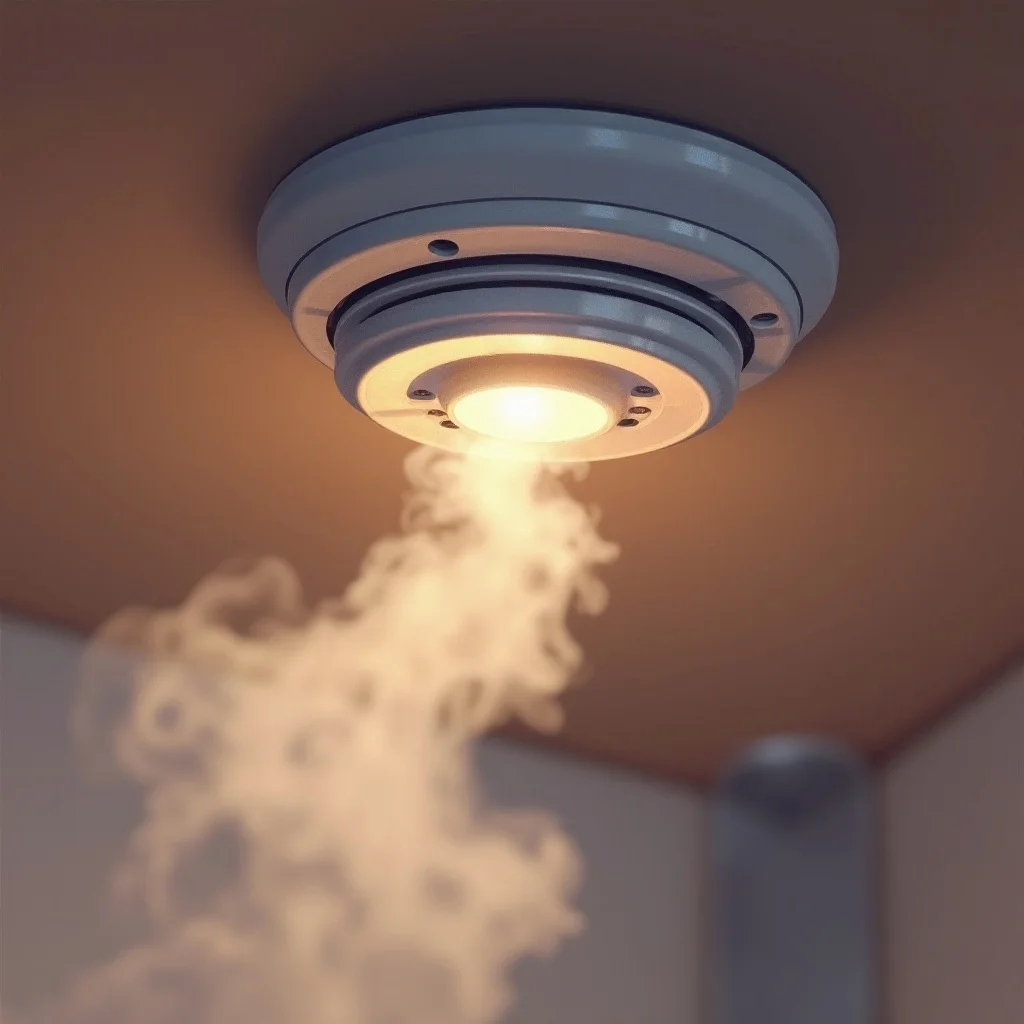
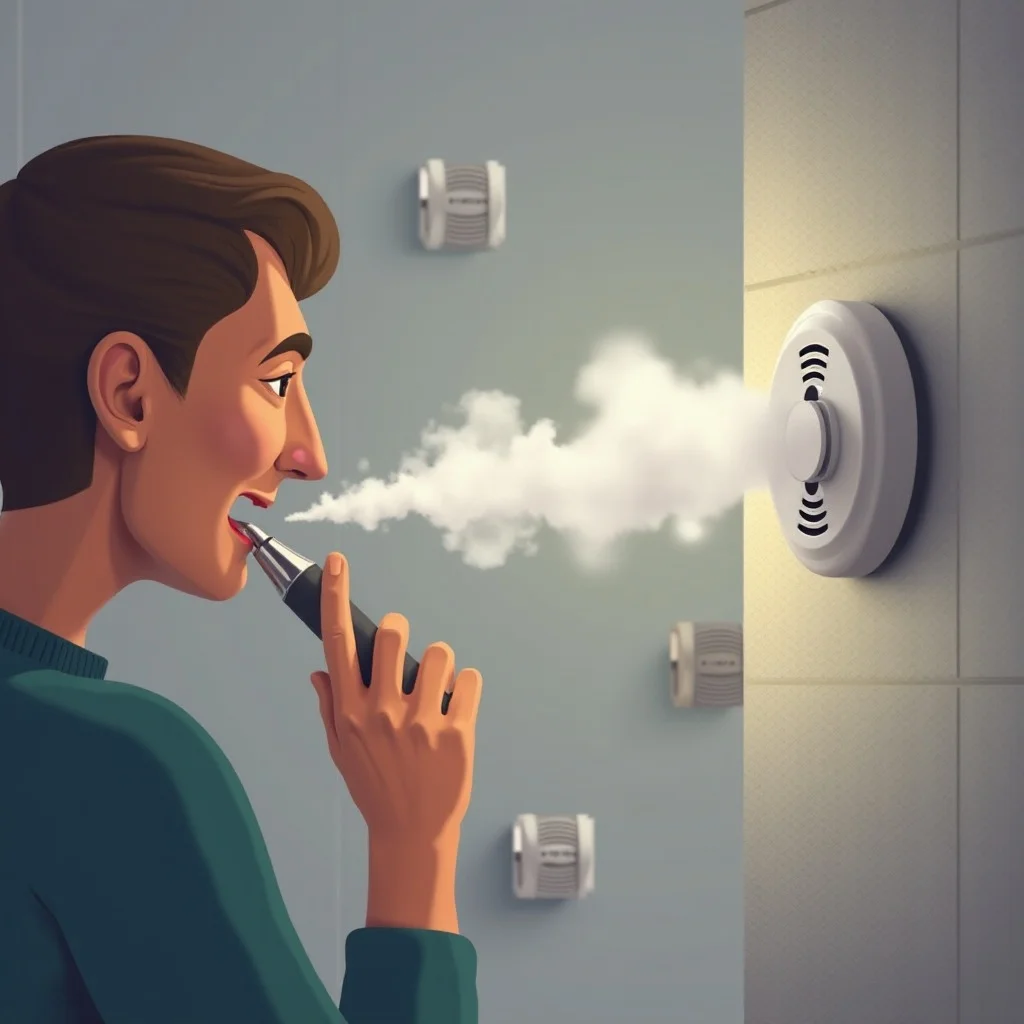
Glass break sensors detect the sound of shattering windows, providing an extra layer of protection in case someone tries to break in by force. Environmental sensors—such as smoke, flood, and carbon monoxide detectors—are important for adding comprehensive coverage. These sensors alert you to potential hazards, like fires or flooding, so you can act quickly to protect your home and loved ones.
Mobile App Integration
Mobile app integration is one of the best features of a DIY home security system. Through the app, you can control your system, monitor your home, and receive instant alerts from anywhere. You’ll be able to see live video footage, arm or disarm your system, and get notifications in case of any unusual activity—all at your fingertips.
Top-Rated DIY Home Security Systems
If you’re ready to install a DIY home security system, here are some of the most popular and reliable options that can help you get started.
SimpliSafe
SimpliSafe is known for being one of the easiest DIY home security systems to set up and use. With a variety of customizable components like cameras, door/window sensors, and smart locks, it’s perfect for those looking for flexibility and affordability. The system is also well-regarded for its professional-grade equipment and customer support.
Ring
Ring is best known for its video doorbells, but it also offers a full range of DIY security products, including cameras, motion sensors, and security kits. The system integrates seamlessly with Alexa, so you can control it using voice commands. Ring’s flexibility and affordability make it a great choice for homeowners who want a customizable security setup.
ADT Self Setup
ADT has long been a leader in home security, and now it offers a self-setup DIY system that’s perfect for homeowners who want to be hands-on with their security. The ADT system allows for easy installation of cameras, motion detectors, and entry sensors, while still offering the option for professional monitoring if you prefer extra peace of mind.
Abode
Abode is a versatile and customizable DIY home security system with robust smart home integration. It’s compatible with Alexa, Google Assistant, and other popular smart devices, making it an excellent choice if you want a fully connected system. Abode offers a variety of sensors, cameras, and other smart devices to suit your home’s needs.
Frontpoint
Frontpoint is praised for its excellent customer service and user-friendly setup. The system comes with a wide range of sensors, cameras, and smart devices, and it’s known for its simple installation process. Frontpoint is a great choice for first-time DIY security system users looking for reliable protection.
Cove
Cove offers a budget-friendly DIY home security system with the essential features, including door/window sensors, motion detectors, and cameras. It’s ideal for homeowners looking for basic protection at an affordable price. Cove also provides excellent customer service and simple installation, making it a solid choice for those on a budget.
How to Choose the Best DIY Security System for Your Home
When selecting the best DIY home security system for your needs, consider the following factors to ensure you choose the right one for your home.
Consider Your Needs
Start by evaluating your home’s layout and identifying the areas that need the most attention. If you live in an apartment, you may only need door/window sensors and a camera. For larger homes, you might want additional motion detectors and more cameras to cover entry points, backyards, and driveways.
Smart Home Compatibility
Many DIY home security systems integrate with smart home devices like Alexa, Google Assistant, and other home automation tools. Make sure your security system works with the devices you already use so you can control everything from one central platform.
Budget Considerations
DIY home security systems can vary greatly in price, so it’s essential to set a budget before you start shopping. Consider the cost of the equipment, optional professional monitoring, and any additional accessories you may need. If you’re looking for a more budget-friendly option, systems like Cove offer essential protection without the hefty price tag.
Customer Reviews and Ratings
Before making your final decision, be sure to read customer reviews and ratings. These reviews will give you valuable insights into the system’s reliability, ease of installation, and customer support. Look for feedback on the system’s performance over time and any issues that may have come up.
Tips for Installing Your DIY Home Security System
Once you’ve selected your DIY security system, it’s time to install it. Follow these tips for a smooth and successful installation process.
Easy Step-by-Step Installation
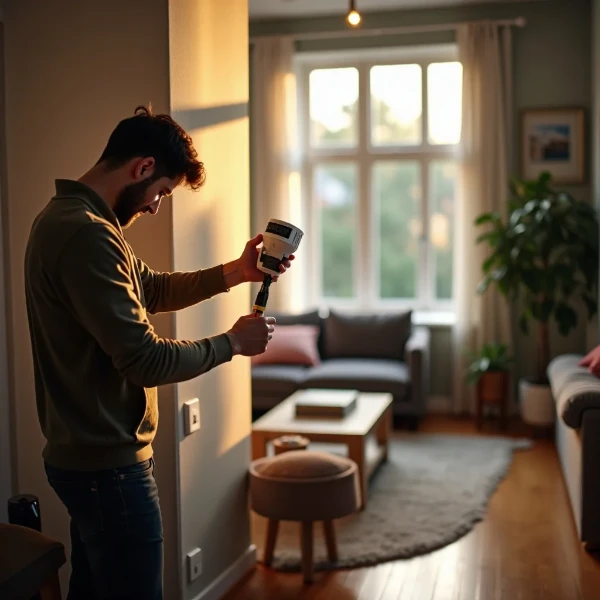
DIY security systems are designed to be user-friendly, with most components coming with detailed instructions for easy setup. Begin by setting up the base station and connecting it to your mobile app, then move on to installing sensors, cameras, and any additional devices. Most systems don’t require professional assistance, but you can always reach out to customer support if needed.
Ensuring Proper Placement of Sensors and Cameras
For the most effective coverage, carefully plan where you place your sensors and cameras. Place door/window sensors on entry points and ensure motion detectors cover high-traffic areas. Cameras should be installed where they can capture the widest angles, including doorways, driveways, and backyards.
Testing and Maintenance
After installation, test each sensor and camera to make sure they work as expected. Regularly check for software updates, and test your devices to ensure they remain in top condition. Ongoing maintenance will ensure your system provides reliable protection for years to come.
Conclusion
A DIY home security system is a great way to protect your home while saving money. With the right components, easy-to-follow installation instructions, and remote monitoring capabilities, you can create a smart, customized security setup that fits your needs. Whether you're looking for basic coverage or a fully integrated smart home system, there are plenty of great options available. Secure your home today by choosing the best DIY system for your home!