Smoke alarms are a must-have in every home, but many people wonder, “Do smoke alarms detect carbon monoxide?” It’s a great question because both threats—fire and carbon monoxide (CO)—are dangerous, yet require different types of detection. In this article, we’ll explain why smoke alarms can’t detect carbon monoxide, the key differences between smoke alarms and CO detectors, and the best ways to keep your home safe from both risks.

Can Smoke Alarms Detect Carbon Monoxide?
No, smoke alarms cannot detect carbon monoxide. Smoke alarms are specifically designed to sense smoke particles, which are released when something burns, like in a fire. They work using either ionization or photoelectric sensors to detect these smoke particles.
Carbon monoxide, however, is a colorless and odorless gas that’s produced during incomplete combustion—like from gas stoves, space heaters, or chimneys. Since smoke and CO behave differently in the air, smoke alarms are unable to detect CO levels. For that, you’ll need a dedicated carbon monoxide detector.
That’s why it’s crucial to have both types of alarms in your home. Smoke alarms will warn you of fire hazards, while carbon monoxide detectors will protect you from this invisible, potentially deadly gas.
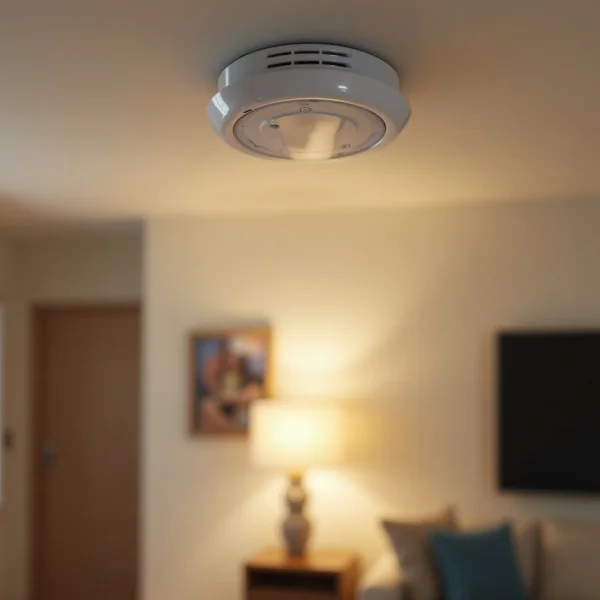
Key Differences Between Smoke Alarms and Carbon Monoxide Detectors
Though both smoke alarms and carbon monoxide detectors help keep you safe, they serve different purposes. Let’s break down the key differences between the two:
What They Detect
- Smoke Alarms: These detect smoke particles in the air. When there’s a fire, smoke particles trigger the alarm.
- Carbon Monoxide Detectors: These are designed to detect carbon monoxide gas, which is invisible, tasteless, and odorless.
Sensory Clues
- Smoke Alarms: Emit a loud, shrill sound when smoke is detected. This is a warning sign that there may be a fire in the house.
- Carbon Monoxide Detectors: Produce a steady, repeating alarm when CO levels reach dangerous levels. Some detectors also display the concentration of CO in the air on a screen.
Installation Locations
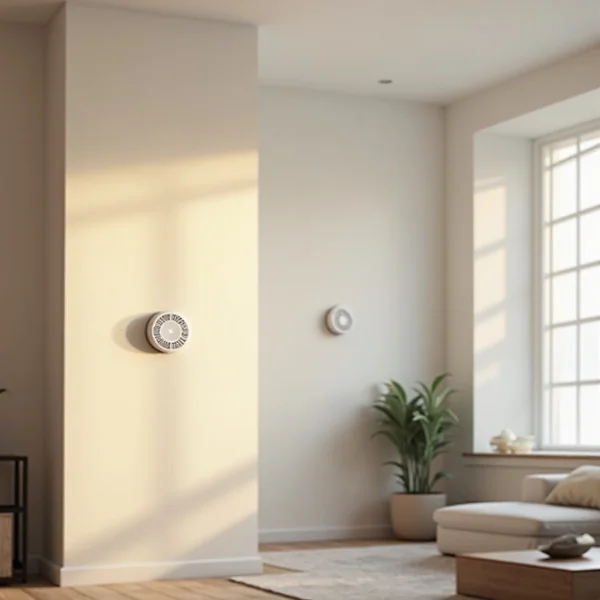
- Smoke Alarms: Should be installed in every bedroom, hallway, and outside sleeping areas. They should also be placed on the ceiling or at the top of walls—smoke rises, so that’s where it’s most effective.
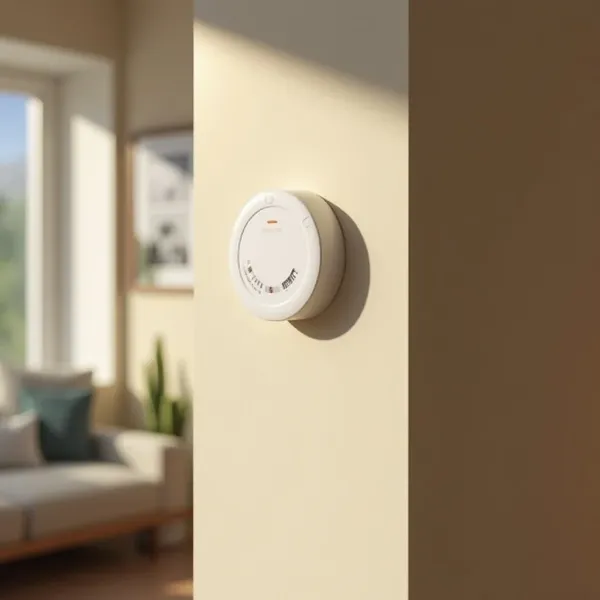
- Carbon Monoxide Detectors: Should be installed on each floor of the home, especially near sleeping areas and in rooms with combustion appliances like furnaces or gas stoves.
Health Impact
- Smoke Alarms: Protect you from the immediate dangers of fire and smoke inhalation, which can lead to serious injuries or death if undetected.
- Carbon Monoxide Detectors: These save you from CO poisoning, which can cause headaches, dizziness, confusion, and, at high levels, even death.
Maintenance and Lifespan
- Smoke Alarms: Smoke alarms generally last around 10 years. You should replace the battery at least once a year and test the alarm monthly.
- Carbon Monoxide Detectors: CO detectors typically last between 5-7 years. They also need monthly testing, and their batteries should be replaced regularly.
Can Smoke and Carbon Monoxide Detection Be Combined?
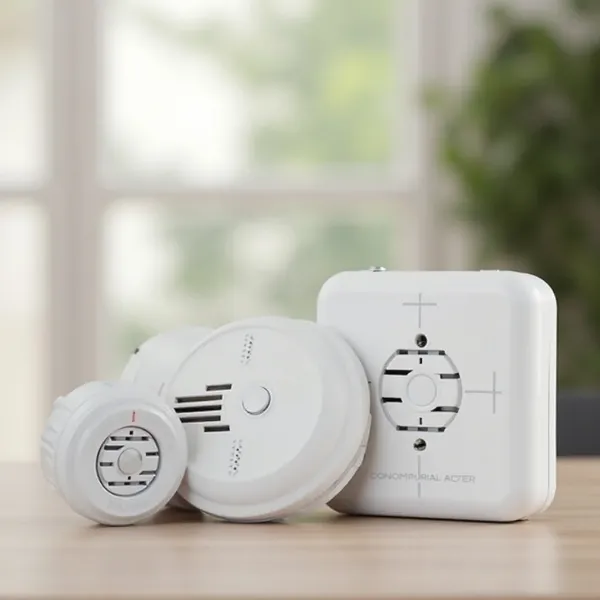
Yes, it’s possible to combine smoke and carbon monoxide detection into a single unit. Many modern alarms are designed to detect both smoke and CO, which is particularly useful for people with limited space or who want a more cost-effective option.
These combination units use two types of sensors: a smoke sensor (either ionization or photoelectric) and a CO sensor (usually electrochemical). While they are convenient and save space, some experts recommend using separate smoke alarms and CO detectors for optimal reliability, especially in larger homes.
For smaller homes or apartments, however, a combination unit is a great option. Just make sure to install it in key areas like bedrooms and hallways to ensure it can protect you effectively.
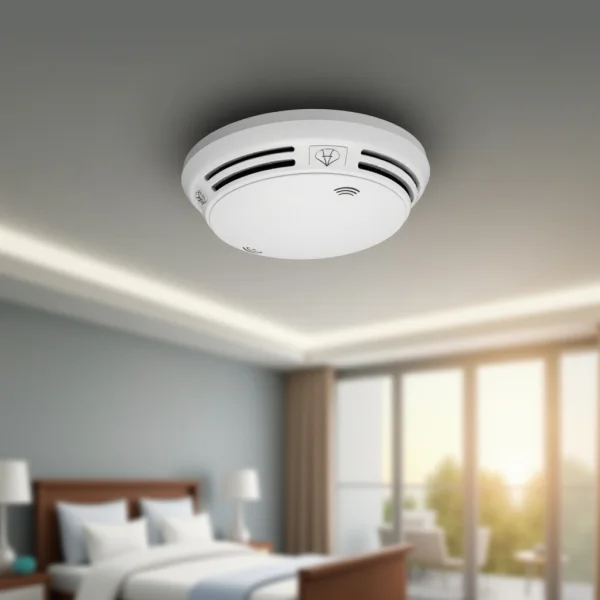
Important Tips for Proper Use of Smoke and Carbon Monoxide Alarms at Home
To make sure your smoke and CO alarms work properly, here are some important tips for installation and maintenance:
- Install alarms in key areas: Place smoke alarms inside and outside every bedroom, in hallways, and on every floor of your home. For carbon monoxide detectors, install one on every floor, particularly near sleeping areas and in rooms with fuel-burning appliances.
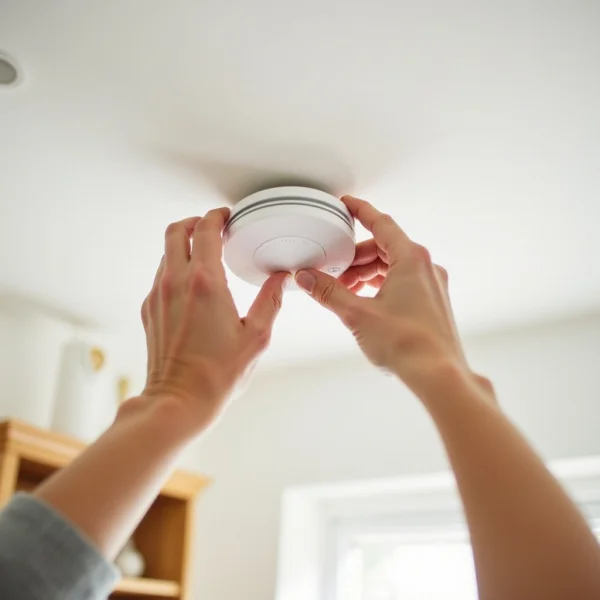
- Test your alarms regularly: Press the test button on your alarms at least once a month. If you don’t hear the alarm or it’s weak, replace the batteries immediately.
- Clean your alarms: Dust and dirt can interfere with the sensors. Clean your smoke and CO detectors twice a year with a vacuum or a soft brush to keep them working properly.
- Avoid placing alarms near vents: Install alarms at least 10 feet away from windows, doors, or vents. Drafts or steam can set off false alarms and interfere with the sensor.
- Replace old alarms: Smoke alarms should be replaced every 10 years, and CO detectors every 5-7 years. Be sure to check the expiration date and replace them when needed.
- Know the difference between a smoke alarm and CO alarm sound: Smoke alarms tend to emit a loud, continuous beep, while carbon monoxide detectors usually sound a pattern of short beeps. Understanding the difference can help you act quickly in an emergency.
- Consider combination alarms: For smaller spaces, a combination smoke and CO alarm might be the best option. Just ensure it’s installed in the right spots and that you regularly check it.
Conclusion
In conclusion, smoke alarms do not detect carbon monoxide. While smoke alarms are great at detecting fires, carbon monoxide detectors are necessary for warning you about the presence of this dangerous gas. It’s vital to have both types of detectors installed in your home for full protection. Combination alarms are convenient for saving space, but separate alarms may provide more reliable detection, especially in larger homes. Regular testing, maintenance, and timely replacement of your alarms are essential steps to ensure your home stays safe.