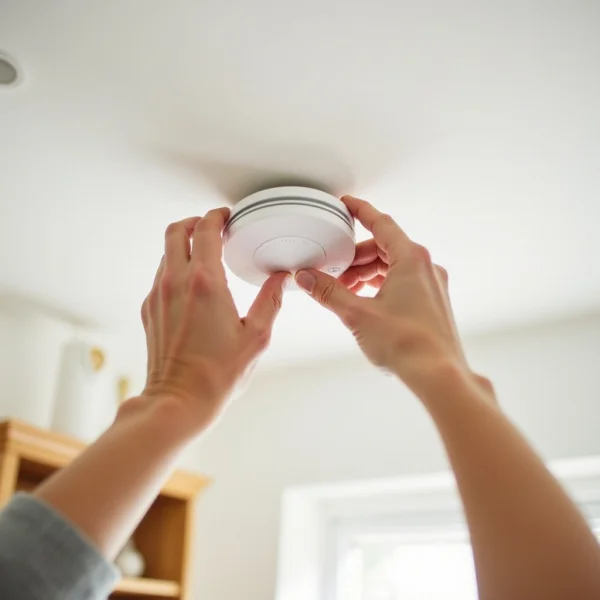
If you’ve ever found yourself wondering, “Do vapes set off smoke alarms?” you’re not alone. While it’s unlikely that vaping will trigger a fire alarm in most cases, it’s not impossible. The good news is that understanding how smoke alarms work and adjusting your vaping habits can help you avoid this frustration.
In this article, we’ll break down why vaping might set off smoke alarms, the types of detectors most affected, and share tips on how to prevent it from happening.
What Types of Smoke Alarms May be Affected in Your Home?
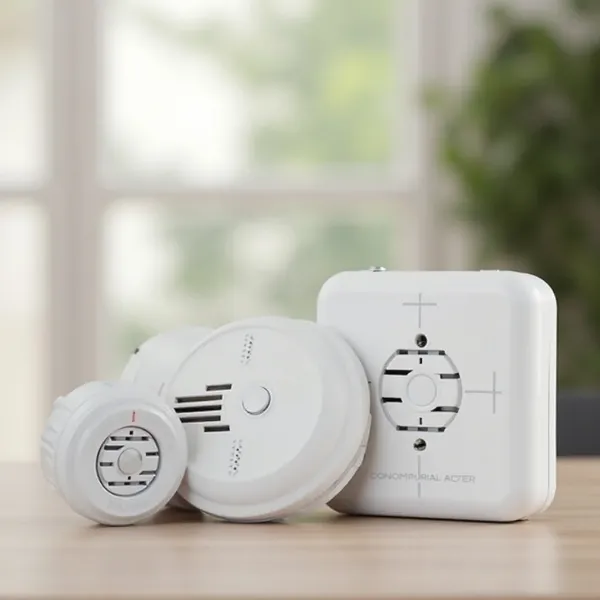
Smoke alarms come in several varieties, and the type you have can make a big difference when it comes to whether vaping will set off the alarm. Here are the most common types found in homes:
- Ionization Smoke Alarms: These alarms detect smoke by using a small radioactive material to ionize the air. When smoke enters the chamber, it disrupts the ions, triggering the alarm. Since vaping creates tiny particles that resemble smoke, these alarms are more likely to be triggered by vapor.
- Photoelectric Smoke Alarms: Instead of using ionization, these alarms rely on a light beam and a sensor. Smoke particles scatter the light, setting off the alarm. While less sensitive to smaller particles than ionization alarms, heavy vapor can still send photoelectric smoke detectors chirping, especially in small rooms.
- Combination Smoke Alarms: As the name suggests, these alarms combine both ionization and photoelectric sensors, offering broader coverage. These alarms can be more easily triggered by vapor than individual types, so be mindful of where you’re vaping.
- Heat Detectors: These alarms respond to temperature changes rather than smoke. Vaping is unlikely to set off a heat detector, but it’s important to know that vaping near heat sources or in poorly ventilated areas can still cause issues.
Knowing which type of smoke alarm you have is essential to understanding why vaping might trigger an alarm. If you have an ionization smoke alarm, for example, the chances are higher that your vape clouds could cause a false alarm.
Why Does Vaping Set Off Smoke Alarms?
Now, you might be asking, “Why do e cigs set off smoke alarms?” There are a few factors that contribute to this issue. Here’s a look at some common reasons:
- Particle Matter in the Aerosol: The vapor produced by e-cigarettes and vapes contains tiny particles. These particles, although much smaller than traditional smoke, can still disrupt the ionization or light detection process in smoke alarms.
- Vapor Build-Up in Small, Enclosed Spaces: Vaping in a confined space with poor ventilation increases the chances that the vapor will accumulate and interfere with the alarm’s sensors. The more vapor in the air, the more likely it is to set off the alarm.
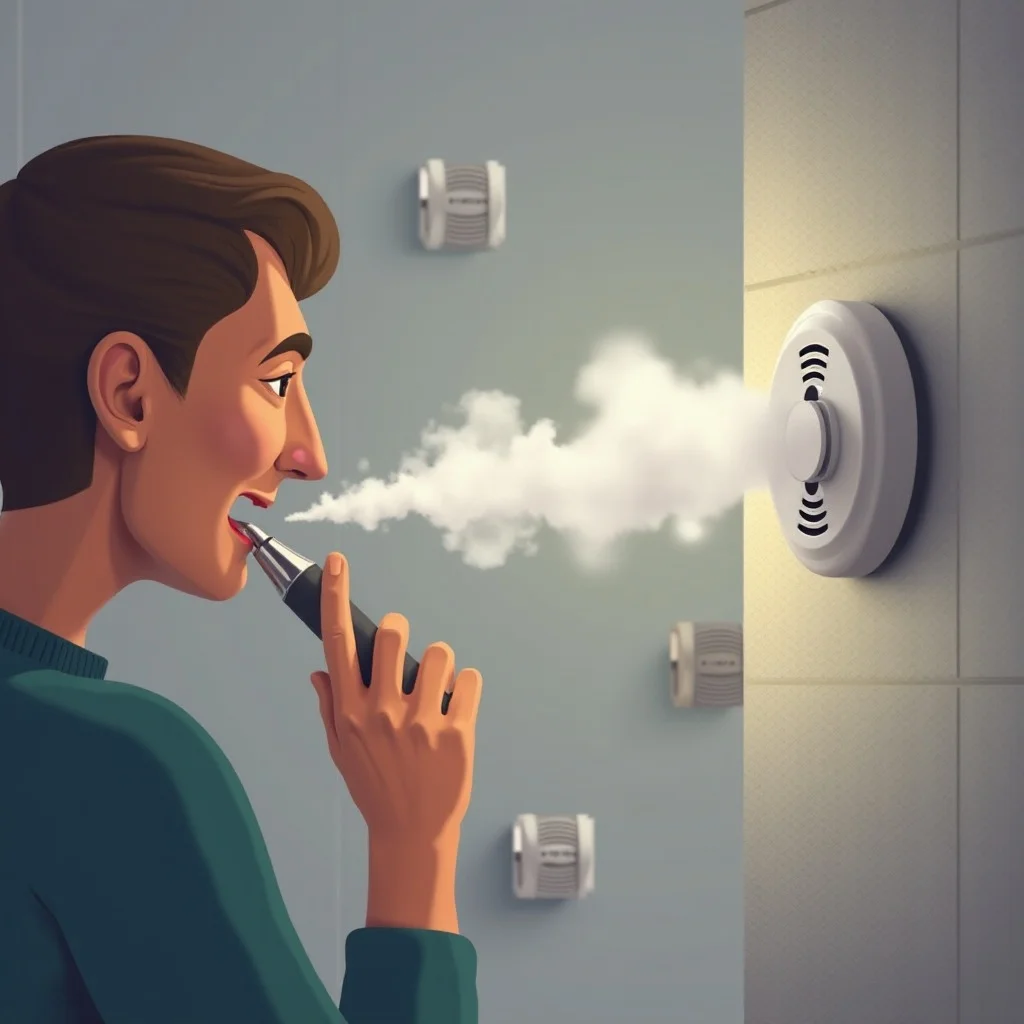
- Vaping Near Smoke Alarms: Proximity is key. If you’re vaping too close to a smoke alarm, even a small amount of vapor can trigger it. The closer you are to the detector, the more likely it is that the aerosol will come into contact with the sensor.
- High Vapor Output: Some vaping devices produce dense clouds of vapor. If you’re using a high-powered device, the amount of vapor released can be significant enough to trigger an alarm, especially in a poorly ventilated area.
- Alarm Sensitivity: Some smoke alarms are more sensitive than others, particularly older models. A highly sensitive detector may go off even with minimal vapor, which is often the case with ionization alarms.
Best Practices to Avoid Triggering Smoke Alarms When Vaping
It can be super frustrating to trigger smoke alarms accidentally. Here are some practical tips to help you vape without setting off smoke alarms:
- Vape in Well-Ventilated Areas: To avoid vapor build-up, make sure you’re vaping in an open, well-ventilated space. Open windows or use fans to help the vapor dissipate more quickly, reducing the risk of setting off an alarm.
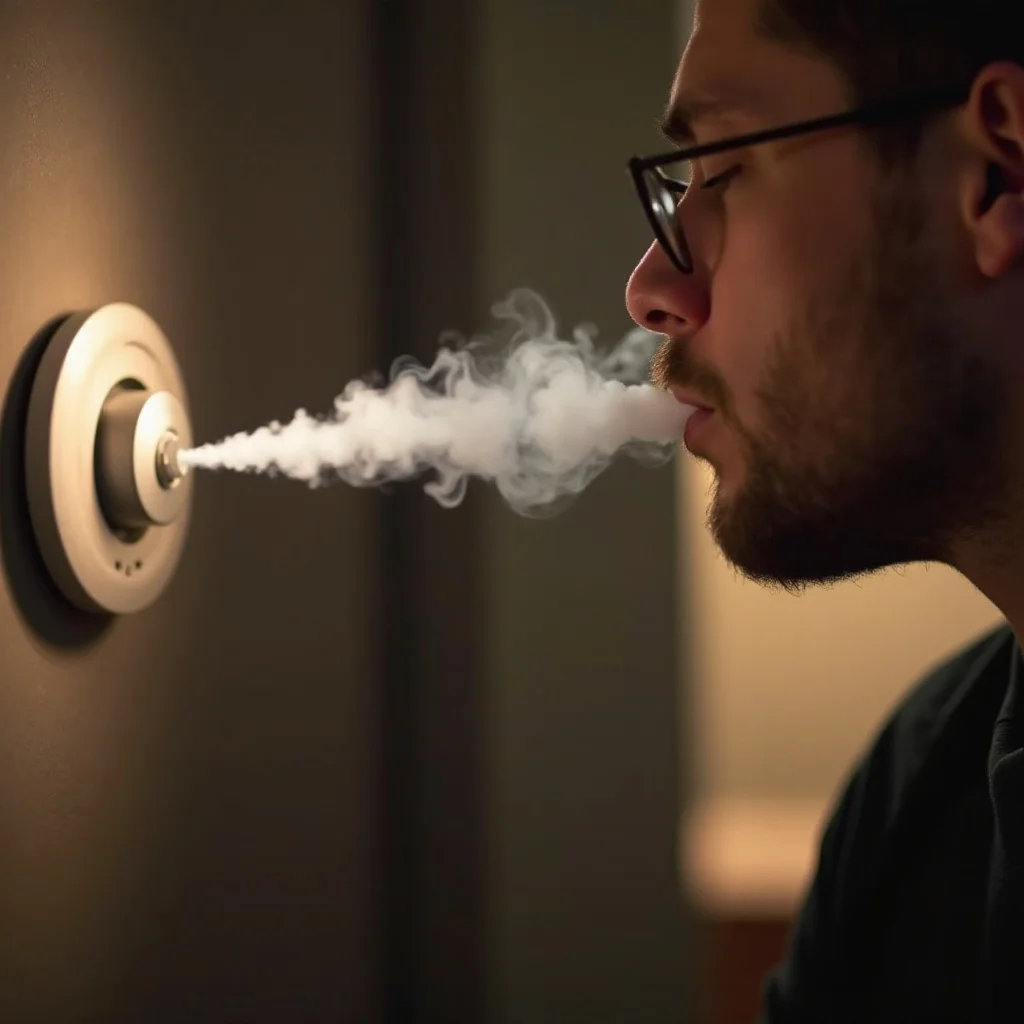
- Keep Your Distance from Smoke Detectors: Always try to vape away from smoke alarms. The closer you are to the detector, the higher the chance that your vapor will set it off. A good rule of thumb is to keep at least 10 feet away from smoke detectors.
- Control Your Vapor Output: If you use a vape that produces a lot of vapor, try lowering the wattage or airflow. This will reduce the amount of vapor emitted and make it less likely to interfere with the smoke alarm’s sensors.
- Avoid Vaping in Small, Enclosed Spaces: Small rooms, especially bathrooms and hallways, tend to trap vapor, making it more likely to reach the smoke detector. If you must vape indoors, choose larger spaces with good airflow.
- Regularly Maintain Your Smoke Alarms: Dust and debris can interfere with smoke detectors, making them more prone to false alarms. Keep your alarms clean and check them regularly to ensure they’re functioning properly.
- Use Smokeless E-Cigarettes: Some newer e-cigarettes and vape devices are designed to produce less visible vapor. If you’re concerned about setting off alarms, switching to a device with reduced vapor output might help.
By following these tips, you can enjoy vaping without worrying about setting off smoke alarms.

Conclusion
Do vapes set off smoke alarms? Vaping can set off smoke alarms, but it doesn’t always have to. By understanding the reasons behind false alarms and taking steps to avoid them, you can keep your vaping experience smooth and uninterrupted. Whether it’s by vaping in well-ventilated areas, keeping a safe distance from smoke detectors, or controlling your vapor output, small adjustments can go a long way. So, next time you vape, keep these tips in mind to avoid unnecessary disruptions!