When it comes to protecting your home from fires, smoke alarms are non-negotiable. These simple devices play a crucial role in giving you enough time to escape when disaster strikes. But how many smoke alarms do you need? This guide covers everything you need to know about placing, maintaining, and testing smoke alarms in your home, helping you stay safe while ensuring your alarms are up to code.
Why Smoke Alarms Are Crucial for Your Home Safety
Smoke alarms are one of the easiest yet most effective ways to protect your family from fires. In fact, having working smoke alarms can reduce your risk of dying in a home fire by up to 50%. That’s why it’s important to install smoke alarms in the right places—and make sure they’re maintained. Local regulations often require smoke alarms to be installed in certain areas, but even if it wasn’t required, they’re a must for your safety.
A working smoke alarm alerts you to fire early on, giving you valuable time to evacuate. Fires can spread quickly, and without an alarm, you might not know there’s a problem until it’s too late. Regularly testing your alarms and replacing their batteries ensures they’re always ready to do their job.
How Many Smoke Alarms Should You Install?
So, how many smoke alarms do you need to stay safe? The number depends on several factors, including the size of your home and the layout. Here are some general rules of thumb:
- At least one alarm on every floor, including basements and attics.
- Inside each bedroom and outside each separate sleeping area (like a hallway).
- On each level of the house, especially in multi-story homes.
The National Fire Protection Association (NFPA) suggests placing alarms in bedrooms, hallways, and near staircases. If you have a larger home, you may need more alarms for complete coverage.

Where Should You Place Smoke Alarms in Your Home?
Proper placement of smoke alarms is just as important as the number you install. Here’s where to put them for maximum safety.
Bedrooms: Ensuring Safety Where You Sleep
Most people spend a large portion of their day in the bedroom, making it one of the most important places to have a smoke alarm. NFPA recommends installing an alarm inside or just outside each sleeping area. For larger homes with multiple bedrooms, it’s a good idea to have alarms in each individual room—especially if anyone in your family has difficulty hearing.
Hallways and Separate Sleeping Areas
If your home has long hallways or separate sleeping areas, installing smoke alarms in the hallways outside of each bedroom is crucial. This ensures that everyone in the home can hear the alarm no matter where they’re sleeping, whether they’re in a separate wing or down a long hall.
Living Areas: Keep Alarms on the Same Floor as Bedrooms
For living spaces, place smoke alarms on the same floor as the bedrooms. Smoke rises, so alarms near living areas will detect smoke early on. Install alarms in rooms that are prone to fires, such as living rooms and areas close to the kitchen. Just remember not to place them too close to the kitchen to avoid false alarms from cooking.
Every Level Counts: Why You Need Alarms on All Floors
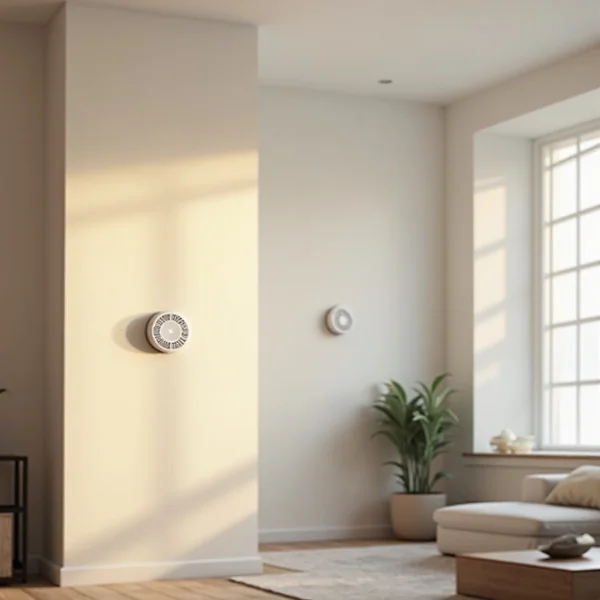
Regardless of the size of your home, every level should have a working smoke alarm. This includes basements, attics, and any other areas you might use for storage or living. If your home has more than one level, installing alarms on each floor ensures no area is left unprotected.
Kitchen Placement: Avoid False Alarms
While it’s important to have alarms near the kitchen, they should never be installed directly in or above it. Cooking activities often trigger false alarms. The NFPA suggests placing alarms at least 10 feet away from cooking appliances. If you want to avoid the hassle of false alarms, a heat alarm might be a better option for kitchens.

Essential Smoke Alarm Tips for Maximum Protection
For your smoke alarms to offer maximum protection, follow these practical tips to keep them working properly:
- Test Your Smoke Alarms Monthly
It only takes a minute to test your smoke alarms, and it’s a step you should take every month. Simply press the test button to make sure the alarm sounds. Regular testing helps ensure the device works when it’s needed most. - Change the Batteries Yearly
Even if your smoke alarms are hardwired, you still need to replace the batteries every year. A good rule of thumb is to change the batteries when you change your clocks for Daylight Saving Time. It’s an easy way to remember and helps keep your alarms ready to go. - Install Additional Alarms as Needed
As your home changes over time, make sure your smoke alarm setup is updated. If you add a room or a new floor, you may need to install more alarms for optimal safety. Always reassess your home’s layout to make sure all areas are covered. - Replace Smoke Alarms Every 10 Years
Smoke alarms have a shelf life of about 10 years. After this time, the sensors lose their effectiveness, and they may no longer detect smoke as well. Check the date on your alarms and replace them when they reach 10 years old. - Install Alarms in the Right Spot
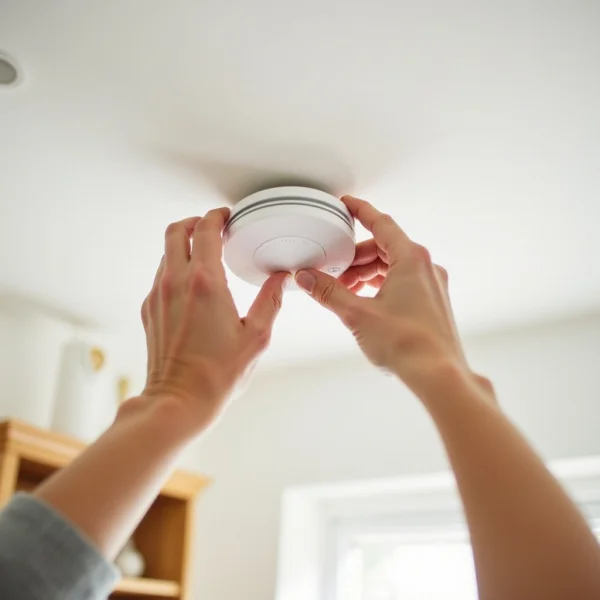
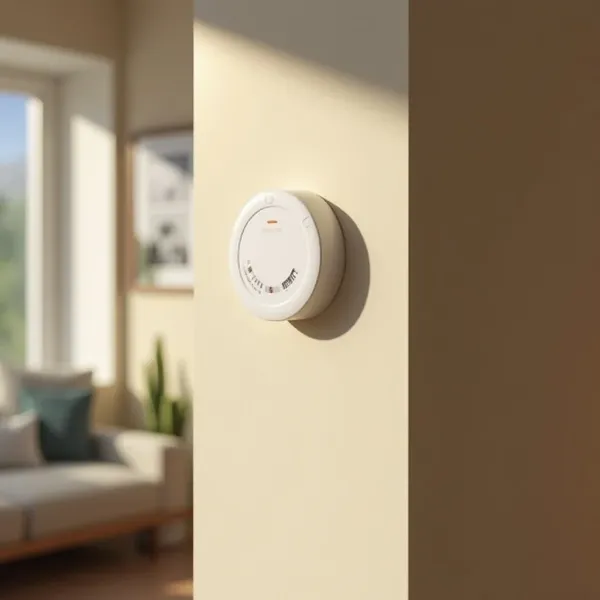
Proper installation is key. Smoke alarms should be placed on the ceiling or at least 4 inches away from the top of the wall. Ensure that alarms are placed in areas where they can detect smoke early, but avoid putting them near windows or vents where smoke might escape. - Consider Smart Smoke Alarms
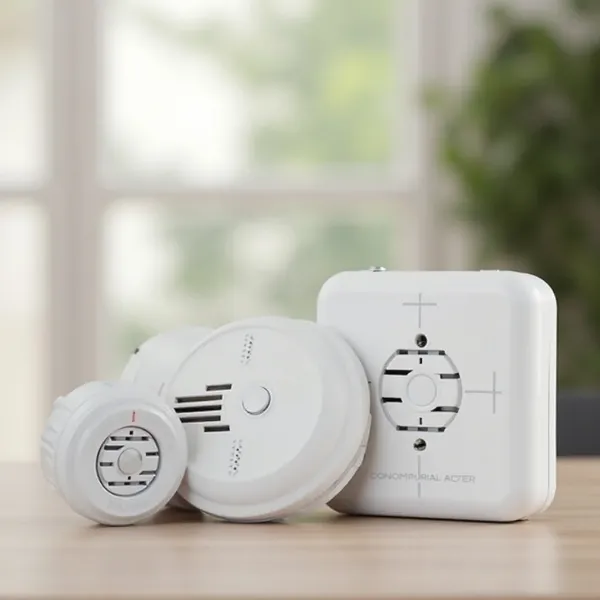
If you’re looking for a more advanced option, consider installing smart smoke alarms. These alarms send alerts to your phone, so you’ll know if there’s a problem even when you’re away from home. Many also integrate with smart home systems for added convenience.

Conclusion
Knowing how many smoke alarms you need—and where to place them—could save your life in the event of a fire. Be sure to follow the basic guidelines for placement and install alarms on every level of your home. Regular maintenance, such as testing alarms and changing batteries, will ensure they’re always ready when you need them most. Don’t take any chances—protect your family by setting up the right number of alarms and keeping them in top condition.