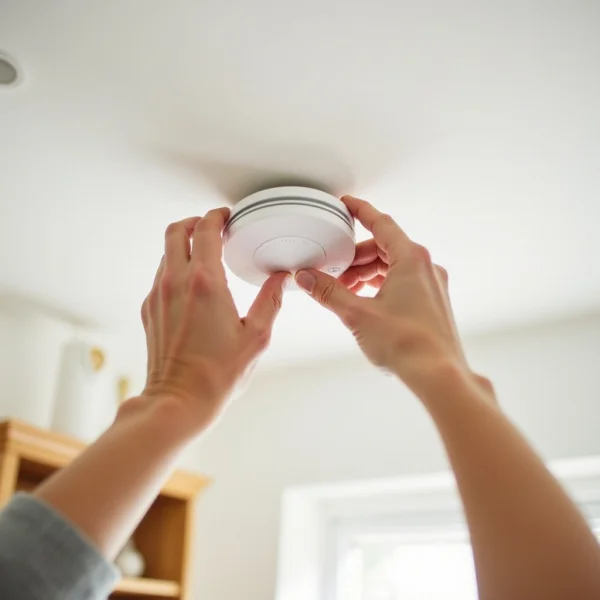
Smoke alarms are critical for keeping your home safe, but they don’t last forever. Over time, their sensors can become less effective, and they might not detect smoke or fire as well. So, how often should you replace smoke alarms to ensure your home is properly protected? In this guide, we'll explain how often to replace your smoke alarm, how to maintain it, and how to keep your family safe.
Different Types of Smoke Alarms for Home
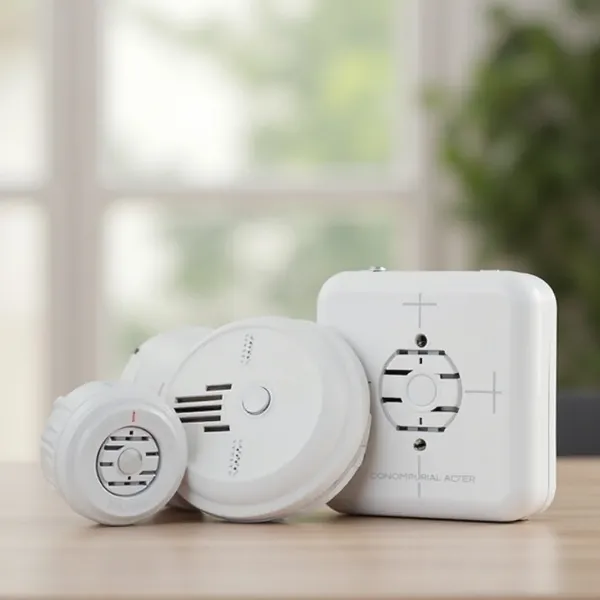
There are different types of smoke alarms, each with unique features and detection methods. Here’s a breakdown of the most common types:
- Ionization Smoke Alarms
These alarms detect fast, flaming fires. They use a small amount of radioactive material to ionize the air inside the detector. When smoke disrupts this ionization, the alarm triggers. - Photoelectric Smoke Alarms
These alarms are more responsive to slow, smoldering fires. They use light to detect smoke. When smoke enters the chamber, it scatters the light, activating the alarm. - Combination Smoke Alarms
As the name suggests, these combine both ionization and photoelectric technologies. They offer broad detection coverage, making them more effective for different types of fires. - Hardwired Smoke Alarms
These are powered directly through your home's electrical system. They usually have a backup battery to ensure they keep working if the power goes out. - Battery-Operated Smoke Alarms
These alarms are the most common in rental homes or places without a wired system. They run purely on batteries and are easy to install and replace.
Each type has its pros and cons, but their maintenance needs differ. Now, let's dive into how often you should replace each type of smoke alarm.
How Often to Replace Your Smoke Alarm?
Just like anything else in your home, smoke alarms wear out over time. Here’s a breakdown of how often to replace your smoke alarm, depending on the type:
- Battery-Operated Smoke Alarms:
It’s recommended to replace the entire unit every 10 years. While you should change the batteries once a year, the whole alarm should be replaced after 10 years to ensure it's still working at full capacity. - Hardwired Smoke Alarms:
These alarms also last about 10 years. Even though they’re connected to your home’s electrical system, their internal components can wear out over time, so it’s important to replace them after 10 years. - Combination Smoke Alarms:
For combination alarms, you should replace them every 7-10 years. These units use both types of technology, which makes them more reliable, but they still need to be replaced eventually.
Regardless of the type, if your smoke alarm shows signs of malfunction or aging, it’s time to replace it, even if it hasn’t reached the 10-year mark.
How Do I Know If My Smoke Detector Needs Replacing?
There are several signs that indicate your smoke alarm may need replacing. Here's what to look out for:
- Frequent False Alarms:
If your smoke alarm goes off without cause, it could mean it’s malfunctioning. Sometimes dirt or dust might trigger a false alarm, but if it keeps happening, it’s a sign the unit needs replacement. - Age:
Smoke alarms don’t last forever. Most need to be replaced after 7-10 years, even if they seem to be working fine. Check the manufacturer’s recommendations for your specific unit. - Chirping or Beeping:
If your smoke alarm is chirping or beeping, it usually means the battery is low or the alarm is faulty. If replacing the battery doesn’t stop the noise, it’s time for a new unit. - Yellowing or Discoloration:
Over time, smoke alarms can turn yellow or brown, especially in areas with a lot of smoke exposure. This discoloration can impact its functionality, and it's a good indicator that it needs replacing. - Test Button Not Working:
If you press the test button and the alarm doesn’t sound, or it sounds faintly, it's time for a replacement.
Keeping an eye on these signs will ensure your smoke alarms are always ready to protect your home.
More Tips to Maintain Your Home Smoke Alarm Properly
Proper maintenance can help extend the life of your smoke alarm and ensure it works when you need it most. Here are some essential tips to keep your smoke alarms in top condition:
- Test Your Smoke Alarm Monthly:
Test your smoke alarms at least once a month. Press the test button to make sure the alarm is still working. If it doesn’t sound, check the battery or replace the unit. - Change Batteries Regularly:
Change the batteries in your smoke alarms at least once a year, even if they’re not chirping. For battery-operated models, replace the batteries every six months to make sure they’re always charged. - Clean Your Smoke Alarm Every Six Months:
Dust and dirt can affect your smoke alarm’s performance. Use a vacuum cleaner with a soft brush attachment to clean the alarm every six months and remove any buildup that could interfere with the sensors. - Install Smoke Alarms in Key Areas:
Ensure you have smoke alarms in the right places. Install alarms inside every bedroom, outside sleeping areas, and on each floor, including the basement. The National Fire Protection Association (NFPA) recommends this for maximum protection. - Keep Smoke Alarms Away from Kitchens:
Although it’s important to have smoke alarms near the kitchen, don’t place them directly above cooking appliances. The smoke from cooking can trigger false alarms. Keep alarms at least 10 feet away from stoves or ovens. - Replace Expired Smoke Alarms Promptly:
If your smoke alarm is past its expiration date or showing signs of damage, replace it right away. An expired unit may not detect smoke properly, putting your home at risk. - Consider Professional Inspections:
If you’re unsure whether your smoke alarms are functioning properly, consider hiring a professional to inspect them. A trained technician can check the wiring, test the alarms, and ensure they meet local fire safety codes.
With these tips, you can ensure your smoke alarms provide reliable protection for years to come.
Conclusion
Replacing your smoke alarms regularly is essential for home safety. Smoke alarms generally last 7-10 years, depending on the type, and need to be replaced once they reach the end of their lifespan. In addition, regular maintenance, such as testing, cleaning, and battery replacement, ensures your alarms are always ready to protect your home and loved ones. If your smoke alarm is showing signs of malfunction or aging, it’s time to replace it and keep your family safe.
For more information on how to change smoke alarm batteries, check out this guide on changing smoke alarm batteries.