A smoke alarm is one of the most important lines of defense in your home. It works quietly in the background, ready to alert you at the first sign of smoke or fire. But even the best smoke alarm can’t protect you if its battery is dead. So, how to change a smoke alarm battery properly and safely?
That’s exactly what this guide will explain. We’ll cover why replacing the battery is essential and provide clear, step-by-step instructions to help you complete the task with confidence. Let’s get started.
Why Changing Your Smoke Alarm Battery is Crucial
Before diving into how to replace battery of smoke alarm, it is essential to know why changing its battery is important.
The answer is, changing the battery in your smoke alarm is one of the easiest ways to protect your home. When working properly, your smoke alarm can detect smoke and alert you to potential fires, giving you time to react. But if the battery is dead, your alarm won’t sound, leaving you at risk. That's why it's recommended to change the battery every year or when you hear the chirping sound, indicating the battery is low. Regular maintenance ensures your smoke alarm is always ready to protect your family.
How to Change a Smoke Alarm Battery: Step-by-Step Instructions
Replacing your smoke alarm battery is a simple task that should only take a few minutes. Follow these steps of how to change fire alarm battery:
Step 1: Remove the Smoke Alarm from the Ceiling
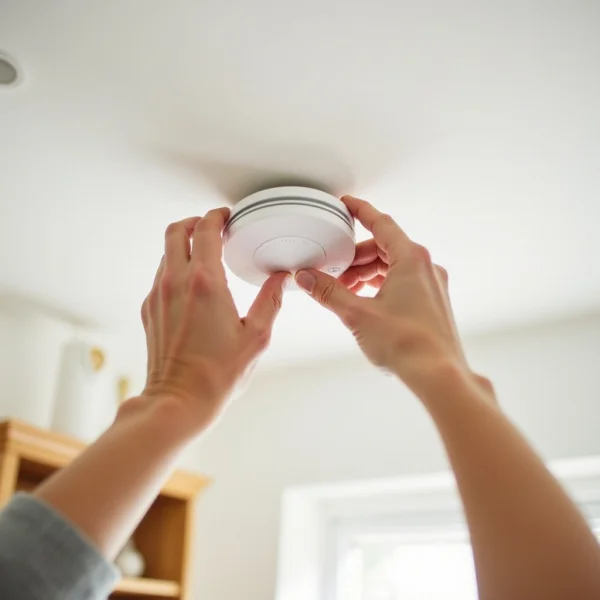
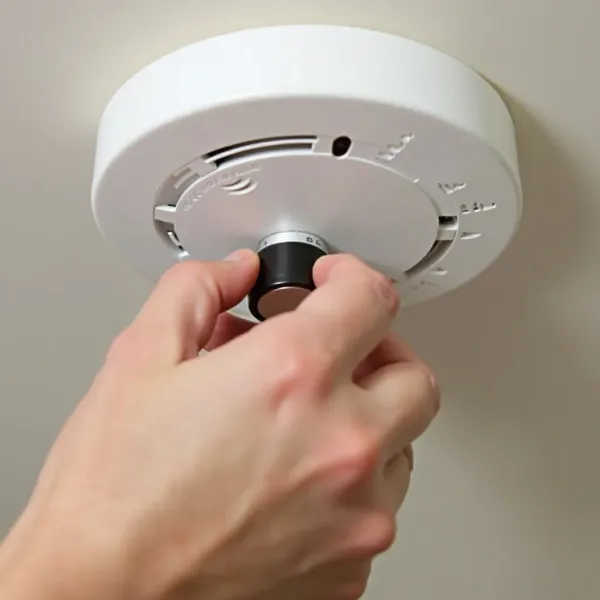
To start, remove your smoke alarm from the ceiling. Depending on your model, you may need to twist it or unlatch it from its mounting bracket. If your smoke alarm is hardwired, make sure to turn off the power before handling it. This is a simple step, but it’s important for safety.
Step 2: Access the Battery Compartment
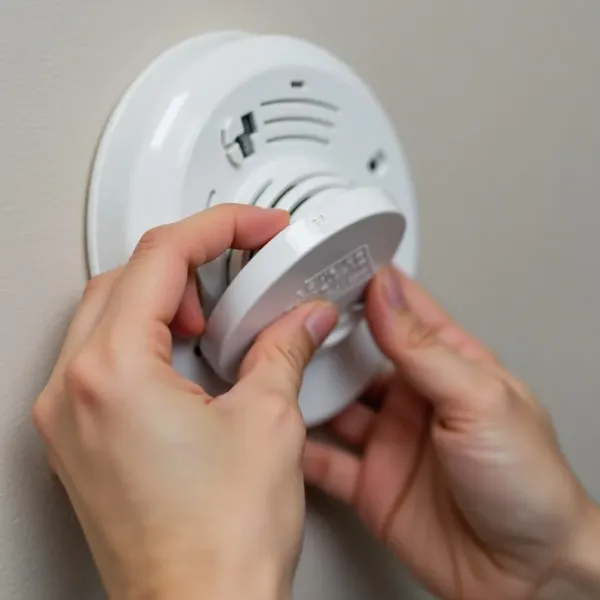
Next, look for the battery compartment on the back of the smoke alarm. Typically, you’ll see a small cover or latch. Open it carefully to expose the old battery. Some models might require you to press a button or slide the cover, while others simply pop open. Take your time to ensure you're accessing the battery properly.
Step 3: Replace the Old Battery with a New One
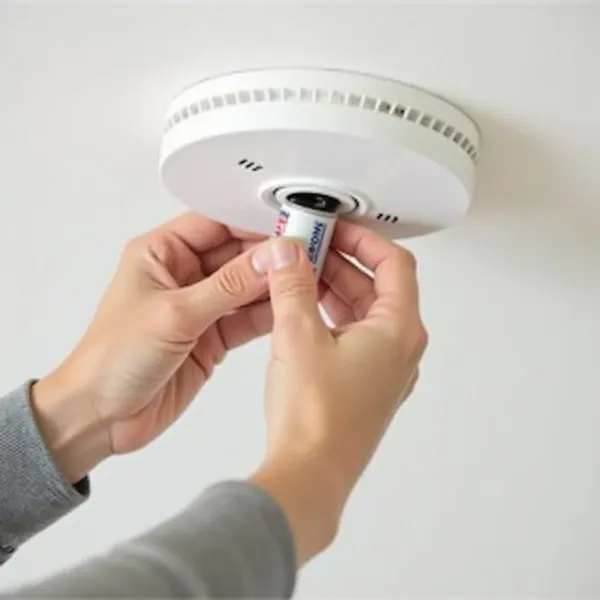
Once the battery compartment is open, remove the old battery. Dispose of it according to your local recycling guidelines. Take your new battery (usually a 9-volt) and insert it into the compartment, making sure the positive and negative terminals align properly with the connectors. Always check the manual for your specific smoke alarm to confirm the right type of battery.
Step 4: Test the Smoke Alarm
Once the new battery is in, press the test button on your smoke alarm. This will trigger the alarm to ensure it's working correctly. You should hear a loud beep. If you don’t hear anything, double-check the battery installation or try a different battery. It’s important to test the alarm right after replacing the battery.
Step 5: Reinstall the Smoke Alarm
After confirming that your smoke alarm is working, reinstall it back on the ceiling or wall. Secure it tightly, ensuring it’s properly attached. If you have a hardwired model, make sure to reconnect the power before securing the alarm in place. Once it’s back in place, test the alarm one more time to confirm it’s working as it should.
What Battery Does a Smoke Alarm Take?
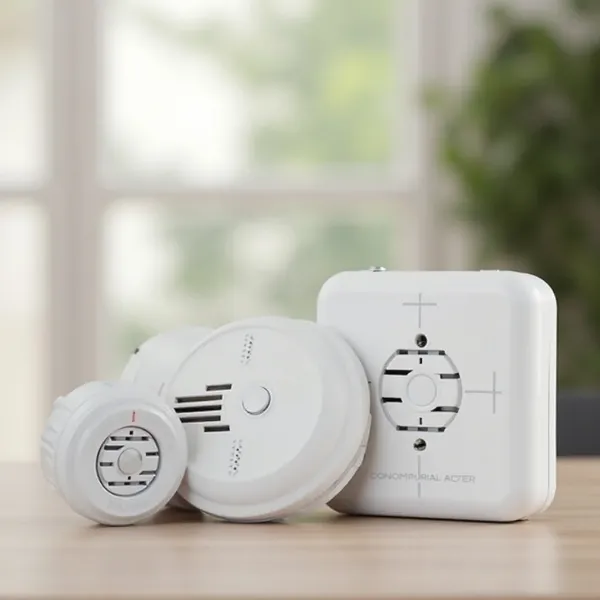
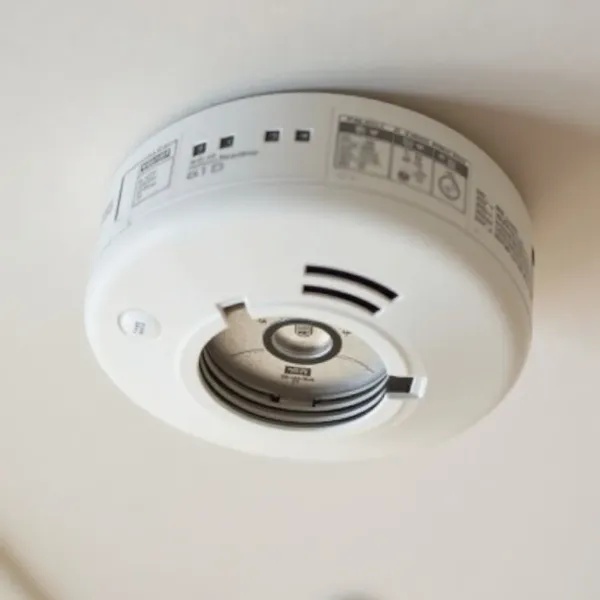
Most smoke alarms use a 9-volt battery, but some models require AA or lithium batteries. If you're unsure about the type of battery your smoke alarm uses, check the user manual or look for markings inside the battery compartment.
Some newer smoke alarms come with long-lasting lithium batteries, which can last up to 10 years, so you won’t need to replace them as often. For the best performance, choose a quality, trusted battery brand.
Tips for Maintaining Your Smoke Alarm
Proper maintenance ensures that your smoke alarm stays in good working order for many years. Here are a few tips to help you keep it in top shape:
Regular Cleaning to Prevent False Alarms
Over time, dust and debris can build up inside the smoke alarm, causing false alarms or preventing it from working properly.
To clean your smoke alarm, use a soft brush or a can of compressed air to gently clear away any dust. Cleaning your alarm every few months can help maintain its sensitivity.
Testing Your Smoke Alarm Monthly
Test your smoke alarm at least once a month to make sure it’s functioning properly.
Simply press the test button and listen for a loud beep. If the alarm doesn’t sound, it could be a sign that the battery is low or the unit needs maintenance. Regular testing is an easy way to stay on top of smoke alarm maintenance.
More Tips for Keeping Your Smoke Alarm in Top Condition
Here are some more tips for maintaining your smoke alarm to ensure effective protection:
- Replace the battery yearly: Even if your alarm isn’t chirping, replace the battery at least once a year to avoid surprises.
- Don’t paint over the smoke alarm: Painting over your smoke alarm can interfere with its sensors, which might prevent it from working effectively.
- Check the expiration date: Smoke alarms don’t last forever. They generally need to be replaced every 10 years. If your smoke alarm is older than that, it may be time for a new one.
Conclusion
Changing the battery in your smoke alarm is a quick and easy way to keep your home safe. By following the simple steps of how to change smoke alarm battery, you can ensure that your smoke alarm works properly and that your home is always protected. Regular testing, cleaning, and maintenance will also help you avoid any issues down the road. Don’t wait for an emergency—take action today to keep your smoke alarm in top shape!