Concrete floors are known for their durability and versatility, but keeping them clean and looking great takes a little know-how. Whether your concrete floors are sealed, polished, or unfinished, the cleaning methods will differ, and using the right approach can make a big difference in maintaining their beauty. In this guide, we’ll show you how to clean concrete floors the right way, from regular upkeep to tackling stubborn stains.
Why Proper Concrete Floor Care Matters
Cleaning your concrete floors the right way is essential to keeping them in great condition. Whether you're dealing with concrete floors in your home, garage, or business, regular cleaning will help preserve their appearance and prevent damage. It also ensures that dirt and stains don’t build up, which could lead to long-term issues. This guide will take you through the best ways to clean concrete floors, with easy methods for all types of surfaces.
General Cleaning for Sealed and Polished Concrete Floors
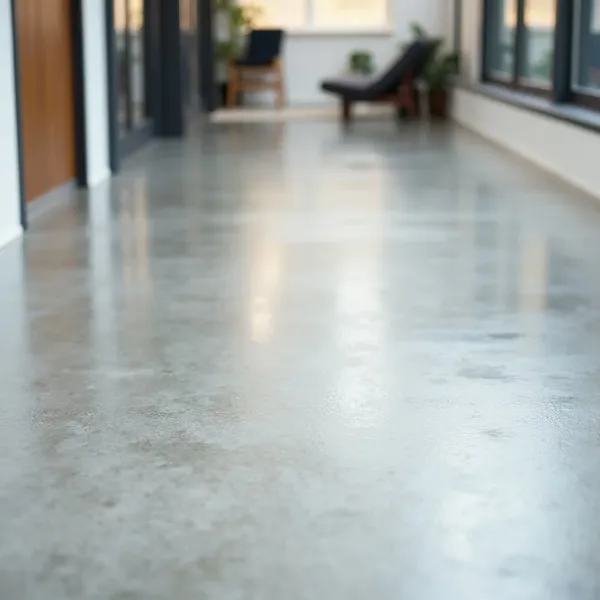
Sealed concrete floors, including polished or stained surfaces, require careful cleaning to maintain their glossy finish. Here’s how to clean concrete floors with a sealed surface so they stay looking new.
1. Sweep or Vacuum Loose Debris
Before you start cleaning, it’s important to remove any loose dirt, dust, or debris. Sweeping or vacuuming is the first step. Use a vacuum with a soft brush attachment to avoid scratching your floor’s surface. This helps you clean without pushing dirt around or damaging the finish.
2. Mix Your Cleaner
When it comes to sealed concrete floors, it’s best to use a pH-neutral cleaner. You can easily mix a small amount of mild dish soap with warm water, or purchase a commercial concrete cleaner that’s safe for sealed floors. Avoid harsh chemicals, as they can strip the sealant and dull the finish.
3. Mop in Sections
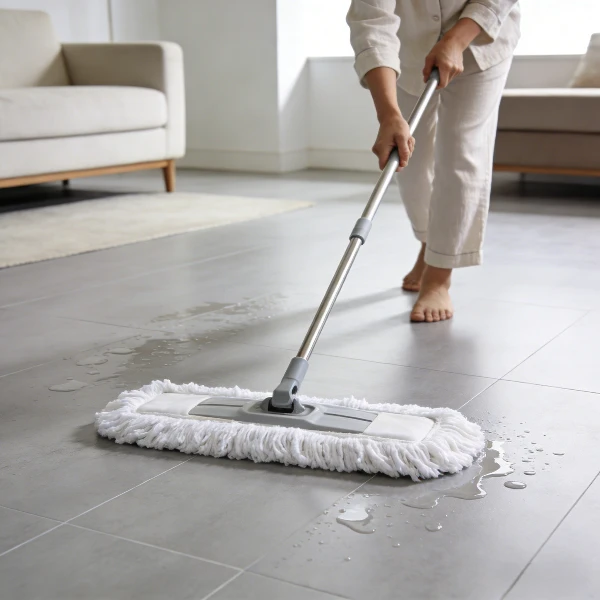
Next, dampen a microfiber mop with your cleaning solution. Make sure the mop is just damp, not soaking wet, to prevent leaving streaks or damaging the floor’s sealant. Mop in small sections, working your way across the room, and be sure to rinse the mop regularly to keep the floor clean.
4. Rinse and Dry
After mopping, rinse the floor with clean water to remove any leftover cleaning solution. You can let the floor air dry, but for a streak-free finish, buff it dry with a soft cloth. This will leave your floor looking shiny and fresh.
How to Clean Unfinished Concrete Floors
Unfinished concrete floors are more porous and can absorb dirt and spills more easily, so they require extra care when cleaning. Here’s how to clean unfinished concrete floors effectively.
1. Sweep and Remove Debris
Since unfinished concrete is more porous, dirt and debris can get embedded in the surface, which makes it harder to clean later. Start by sweeping or vacuuming to remove loose dirt, dust, and debris before doing any deep cleaning.
2. Apply a Cleaner
For unfinished concrete, you’ll need a cleaner designed for porous surfaces. You can mix mild detergent with warm water, or choose a commercial cleaner made for unfinished concrete floors. Use a stiff-bristled brush to scrub the surface and work the cleaner into the pores of the concrete.
3. Rinse Thoroughly
After cleaning, make sure to rinse the floor well with clean water to remove any soap residue. This is important because leftover soap can attract dirt, making your floor dirtier faster.
Dealing with Tough Stains and Deep Cleaning
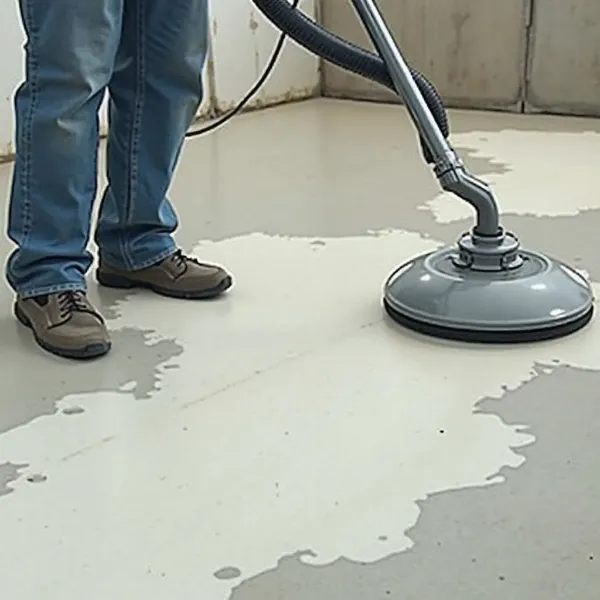
Even the toughest concrete floors can face challenging stains. Whether it’s oil spills, dirt buildup, or stubborn grime, here’s how to deal with tough stains and deep clean your concrete floors.
1. Oil and Grease Stains
Oil and grease stains can be tricky, but they don’t have to be permanent. Make a paste with trisodium phosphate (TSP) and water, or use kitty litter or sawdust as a more natural option. Apply the paste to the stain and let it sit for a while. Once it’s absorbed the grease, simply sweep it away. Always wear gloves and eye protection when using TSP.
2. General Stains
For general stains, like dirt marks or scuff marks, you can mix a solution of mild detergent, vinegar, and water. Apply the mixture to the stained area and scrub with a soft brush. Before using vinegar on your sealed floors, make sure to test it on an inconspicuous spot, as it can potentially damage the finish if used too often.
3. Outdoor and Stubborn Stains
For stubborn outdoor stains or heavily soiled areas, a pressure washer with a concrete cleaner is a great option. It’s an effective way to clean large outdoor areas without damaging the concrete. Just be sure to follow the instructions for both the pressure washer and the cleaner to avoid harming the surface.
While concrete floors are easier to sanitize, soft surfaces need a different approach. If the mess happens on rugs or flooring, follow this guide to clean dog poop out of carpet safely and effectively.
What to Avoid When Cleaning Concrete Floors
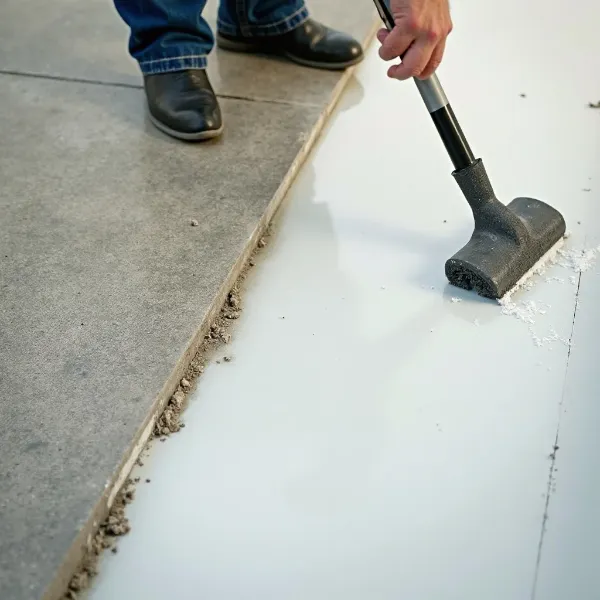
It’s just as important to know what not to do when cleaning concrete floors. Here are some common cleaning mistakes you should avoid.
1. Harsh Chemicals
Avoid using harsh chemicals like ammonia, bleach, or undiluted vinegar on your concrete floors. These can damage the finish, dull the surface, and make your floors more susceptible to stains. Stick with pH-neutral cleaners or those made specifically for concrete to keep your floors in top shape.
2. Cleaners that Leave Residue
Some floor cleaners leave behind a sticky residue. This residue attracts dirt and grime, making your floors dirty again faster. To avoid this, use cleaners that don’t leave any residue behind.
Conclusion: Keep Your Concrete Floors Clean and Long-Lasting
Cleaning concrete floors doesn’t have to be difficult, and with the right tools and techniques, you can keep your floors looking great for years. By following these simple steps for sealed, polished, and unfinished concrete, you’ll not only maintain their beauty but also prolong their lifespan. Whether you’re doing a routine clean or tackling a tough stain, a little effort goes a long way in making sure your floors stay in top condition.