Cleaning dog poop from your carpet doesn’t have to be a nightmare. Whether it’s a small accident or a larger mess, learning how to clean dog poop out of carpet efficiently and safely will save you time, energy, and frustration. Follow these easy steps to get your carpet looking fresh again, while making sure your home stays odor-free and hygienic.

Understanding the Challenge: Dog Poop on Carpet
When your dog has an accident on the carpet, it’s not just about removing the mess. Cleaning up dog poop—especially diarrhea—can be tricky and needs a thoughtful approach to avoid stains and lingering odors. Here’s what makes it so challenging.
What Makes Cleaning Dog Poop Difficult?
The biggest challenge is that poop can easily spread and stain the fibers of your carpet. If left untreated, it can also seep deep into the carpet, leading to lasting odors. And if you’re dealing with diarrhea, it becomes even harder to clean because it soaks into the fibers more quickly.
Why Immediate Action is Important
Acting quickly is crucial when cleaning up dog poop. The longer you wait, the harder it will be to get rid of stains and odors. Immediate cleanup reduces the chances of the waste soaking in, which can make cleaning much easier and more effective.
Step 1: Remove the Solid Waste Safely
The first thing you want to do is remove the solid dog poop from your carpet. It’s essential to do this carefully to avoid spreading the mess further.
How to Handle Dog Poop Safely
When cleaning dog poop from carpet, always wear gloves to protect yourself from germs and bacteria. Use a plastic spoon, spatula, or even paper towels to gently lift the solid waste. Be careful not to press too hard, as that can force the poop deeper into the fibers.
Tools You’ll Need: Gloves, Plastic Spoon, Paper Towels
Gather your cleaning tools: disposable gloves, a plastic spoon or spatula, and paper towels or wipes. These items will help you handle the mess while preventing the waste from spreading.
How to Dispose of Dog Poop Properly
Once the poop is removed, place it in a sealed plastic bag and tie it up tightly. Dispose of the bag in an outdoor trash bin. Keeping the poop in an airtight bag will contain the odor and prevent it from contaminating the indoor trash.
Step 2: Blot the Stain (Don’t Rub!)
After removing the solid waste, it’s time to deal with any remaining stain. The key here is to blot, not rub, to avoid damaging the carpet.
Why Blotting is Key to Avoiding Carpet Damage
Rubbing the stain can push the poop deeper into the fibers, making it harder to clean. Blotting gently lifts the stain without spreading it or making it worse.
How to Blot Correctly: Using Cloth vs. Paper Towels
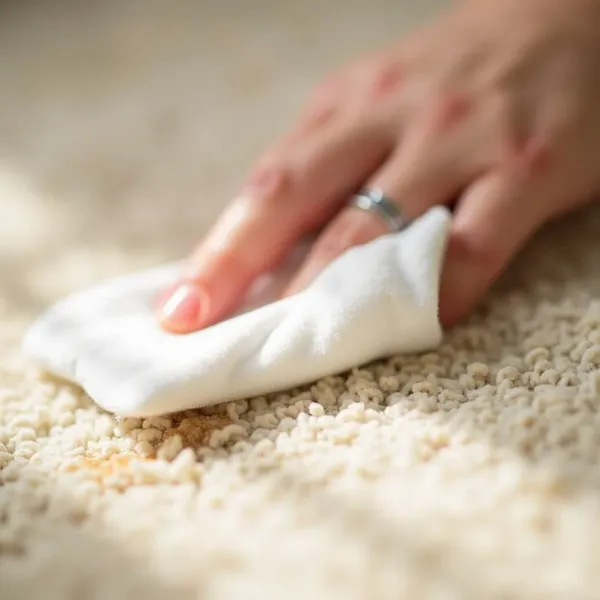
Use a clean cloth or paper towels to blot the stained area. Gently press down, absorbing the moisture. Avoid rubbing or scrubbing—this only works the stain further into the carpet. Keep blotting until no more moisture is coming up from the carpet.
Step 3: Apply a Cleaning Solution
Now that you’ve removed the bulk of the waste, it’s time to break down any remaining stains and odors with a cleaning solution.
How to Make a DIY Cleaning Solution: Vinegar, Water, and Dish Soap
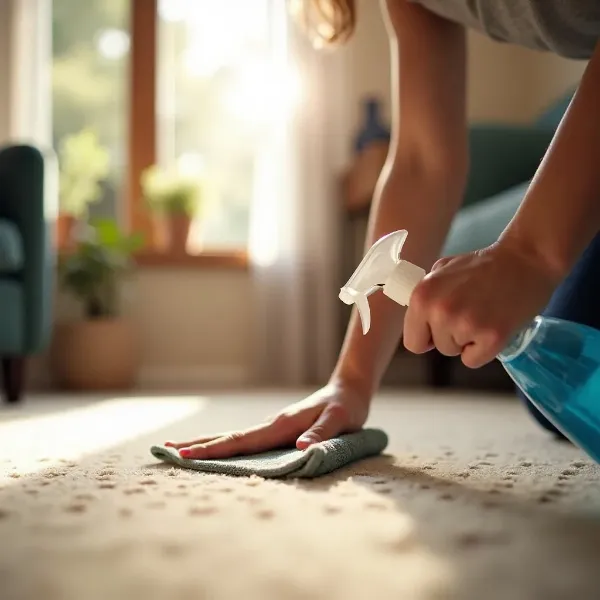
Create a simple cleaning solution by mixing equal parts white vinegar, water, and a few drops of dish soap. This solution works well to neutralize odors while breaking down any leftover waste. Use a spray bottle to apply it evenly to the stained area.
Why Enzymatic Cleaners Are Your Best Friend
Enzymatic cleaners are specifically designed to break down the organic matter in dog poop, making them an excellent option for tough stains and smells. These cleaners are both safe and effective for your carpet, so consider using one for a deeper clean.
How to Use Enzymatic Cleaners Effectively
Follow the manufacturer’s instructions for applying an enzymatic cleaner. Typically, you’ll spray it directly onto the stained area, let it sit for 10 to 15 minutes, and then blot it up with a clean towel. This allows the enzymes to work their magic and break down the stains.
Step 4: Rinse and Dry the Area
Once the stain is treated, it’s important to rinse the carpet and allow it to dry properly to avoid mold or mildew buildup.
Rinsing with Clean Water: How Much is Enough?
After using the cleaning solution, rinse the area with clean, lukewarm water to remove any leftover product. You don’t need to soak the carpet—just a light rinse will do. This helps ensure no cleaning residue is left behind, which could attract dirt later.
How to Dry the Carpet Without Spreading the Stain
Blot the rinsed area gently with a clean towel to absorb the moisture. If you want to speed up the drying process, position a fan nearby. Avoid walking on the wet carpet until it’s fully dry, as this can cause dirt to stick to the area.
Step 5: Deodorize the Carpet
Even after cleaning, the smell of dog poop can linger. Here’s how to deodorize the area and leave your carpet smelling fresh.
Using Baking Soda to Absorb Odors
Baking soda is a natural deodorizer that works wonders on carpets. Sprinkle a generous amount over the cleaned area to absorb any remaining odors. It’s a simple and effective way to ensure your carpet smells fresh.
How Long Should You Let the Baking Soda Sit?
For best results, allow the baking soda to sit for several hours—or even overnight. The longer it sits, the more odors it can absorb. If you’re in a rush, at least let it sit for 30 minutes before vacuuming.
How to Vacuum the Area Thoroughly
Once the baking soda has had time to work, vacuum the area thoroughly to remove all traces of it. Make sure to go over the spot a few times to ensure the carpet is completely clean and free of baking soda residue.
Tough Stains and Smells: Additional Tips
Even with all your efforts, some stains and smells can be tough to remove. If you’re still struggling with a persistent stain or odor, these extra tips can help.
Hydrogen Peroxide for Stubborn Stains
If the stain won’t budge, try using hydrogen peroxide. Mix one part hydrogen peroxide with three parts water, then apply it to the stain. Let it sit for a few minutes, then blot it up. This can help lighten tough stains and eliminate odors.
How to Use an Enzymatic Cleaner for Tough Odors
For stubborn odors, apply another round of enzymatic cleaner. Let it sit for a longer period, as it may need extra time to break down the remaining odor-causing bacteria. Be patient and repeat the process if needed.
Why You Should Test Cleaning Products First
Before using any cleaning product, always test it in a small, inconspicuous area of the carpet to ensure it won’t cause discoloration or damage. This is especially important if you’re using a strong cleaner like hydrogen peroxide.
Important Tips for Cleaning Dog Poop From Carpet
Here are some important things to keep in mind while cleaning dog poop from your carpet:
Blot, Don’t Rub: The Dos and Don’ts
Blot the stain gently with a clean towel. Rubbing can spread the mess and make it harder to clean. Patience is key!
Avoiding Common Mistakes
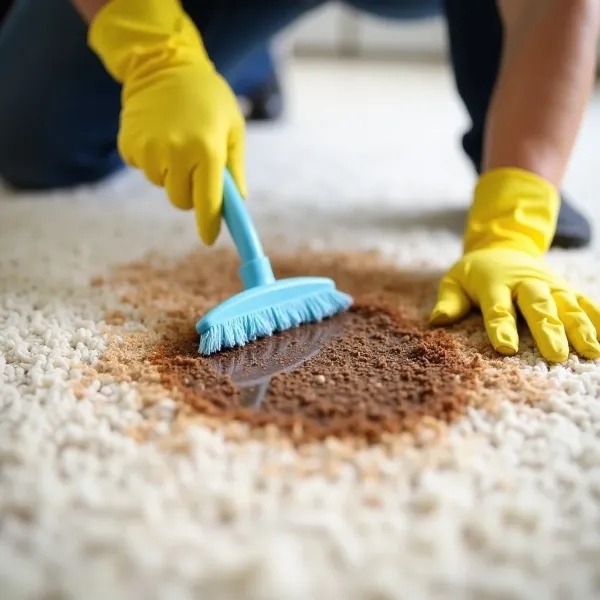
Don’t use excessive water or harsh chemicals on your carpet. These can cause damage and make the stain worse. Stick to safe, proven methods that won’t harm your carpet or the environment.
How to Prevent Future Messes
Training your dog and keeping a regular potty schedule can reduce the chances of future accidents. Using puppy pads or a designated area for your dog to relieve itself can also help. If your dog has digestive issues, make sure to adjust its diet accordingly.
For more cleaning tips, check out how to clean vomit from carpet.
Conclusion: Keeping Your Carpet Clean and Fresh
Cleaning dog poop from your carpet may not be the most pleasant task, but with the right approach, it doesn’t have to be difficult. By following these steps, you’ll effectively remove stains and odors, keeping your carpet looking fresh and hygienic. Regular cleaning and quick action will help prevent lasting damage, making your home cleaner and safer for everyone.