Hardwood floors add timeless beauty to your home, but they need the right care to stay looking fresh and vibrant. If you're wondering how to clean hardwood floors the right way, you’re in the right place. In this guide, we’ll walk you through everything from selecting the right cleaner to drying your floors properly. By following these steps, you'll ensure your floors stay shining and last for years.

The Importance of Proper Hardwood Floor Care
Cleaning hardwood floors properly isn't just about keeping them looking good—it's also about protecting them. Regular maintenance helps prevent scratches, stains, and long-term wear, allowing your floors to age gracefully.
Knowing how to clean hardwood floors properly is key to extending their lifespan and preserving their natural beauty. It’s about keeping your floors looking like new while ensuring they stand the test of time.
What You’ll Need to Clean Hardwood Floors
Before diving into the cleaning process, make sure you have the right tools. Here’s a quick checklist:
- Broom or vacuum with a soft brush attachment – helps you lift dust and dirt without scratching your floors.
- Damp mop (preferably microfiber) – microfiber is great for trapping dirt without leaving streaks.
- pH-neutral cleaner or mild dish soap – stay away from harsh chemicals that can damage the wood.
- Microfiber cloths – to dry the floors and polish them to a shine.
- Furniture pads for protection – to keep heavy furniture from scratching your floor.
Having the right equipment makes the cleaning process easier and helps ensure the protection of your hardwood floors.
If you’re doing a full-home refresh, it’s usually smart to clean windows first and save the floors for last—this way, any dust or drips won’t land on freshly cleaned hardwood.
Step 1: Remove Loose Dirt and Debris
Before you begin, decide whether sweeping or vacuuming makes the most sense for your floors—using the right method helps prevent scratches and removes dirt more effectively.
Sweeping vs. Vacuuming: Which Is Better for Hardwood Floors?
The first step in cleaning hardwood floors is to remove dirt, dust, and debris. You can either sweep or vacuum, but vacuuming is often more effective. Using a vacuum with a soft brush attachment helps capture more dirt without scratching the floor. Sweeping is fine for light dusting, but it may miss smaller particles that can scratch or dull the surface.
How to Handle Spills and Stains Quickly
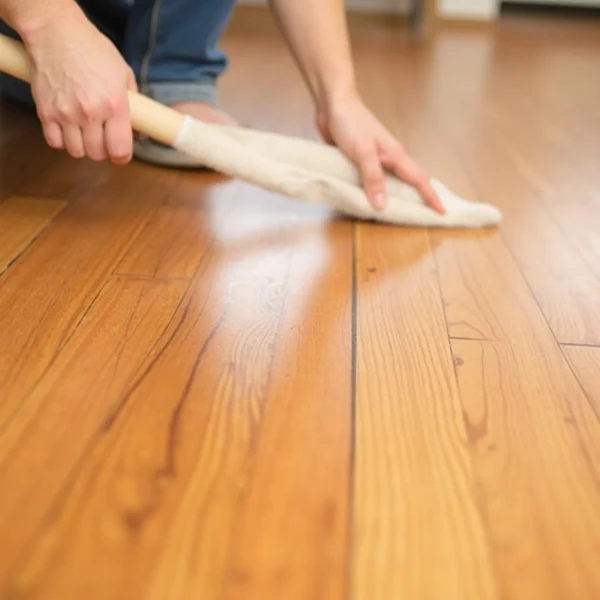
Spills are inevitable, but the key to preventing stains is addressing them right away. Whether it's a drink, food, or a bit of dirt, take care of it as soon as possible. Use a microfiber cloth or paper towel to blot the area gently—don't rub it, as that can spread the mess.
For tougher stains, try a mild cleaning solution made of water and dish soap. And if the spill happens on an area rug or nearby carpet, follow a targeted method to clean vomit from carpet quickly so odors and stains don’t set in before you finish the floors.
Step 2: Damp Mop with the Right Cleaner
Before you start mopping, it’s important to choose a cleaner that’s safe for hardwood and won’t damage the finish.
Choosing the Best Hardwood Floor Cleaner
When figuring out how to clean hardwood floors, picking the right cleaner is key. Always choose a pH-neutral cleaner, as harsh chemicals can strip away the finish and cause long-term damage. If you prefer a DIY solution, mild dish soap and water work well as an alternative. Just make sure you avoid anything too acidic or abrasive.
How to Mop: Tips for Streak-Free Floors
Mopping hardwood floors requires a bit of care to ensure the best results:
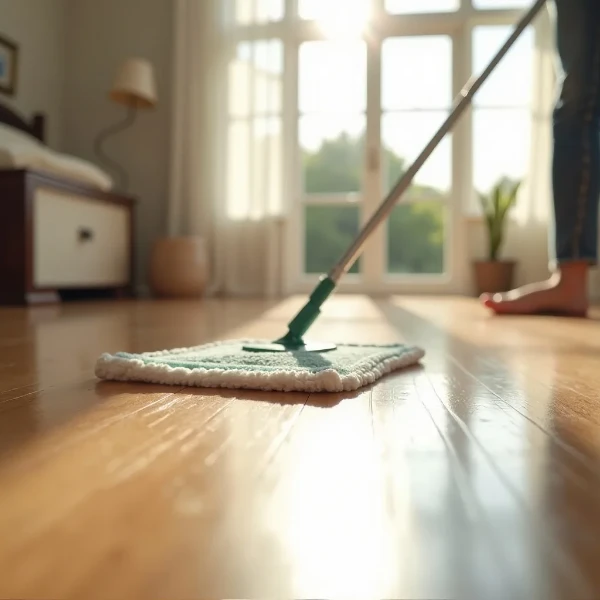
- Dampen the mop – Use a microfiber mop that’s damp, not soaked. Too much water can damage the wood over time.
- Mop with the grain – Always follow the natural grain of the wood to avoid streaks and smudges.
- Wring out the mop regularly – Keep the mop damp, not wet, by wringing it out frequently to avoid excess moisture.
Following these simple steps will help keep your floors shiny and spotless without damaging them.
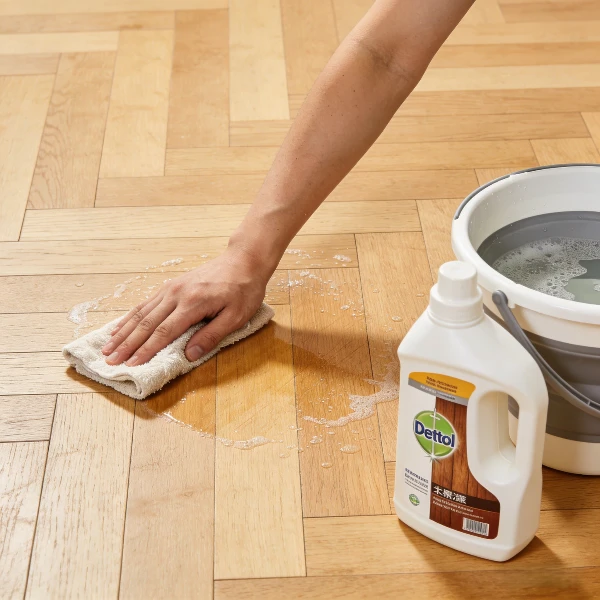
Step 3: Dry Your Hardwood Floors Properly
Now that you’ve finished mopping, the next step is making sure your hardwood dries properly to prevent damage.
Why Drying Your Hardwood Floors Is Crucial
Once you've mopped your floors, drying them is just as important. If you leave moisture on the wood, it can lead to warping, staining, or even mold over time. Proper drying ensures your floors stay smooth, dry, and free from any water damage.
Quick Drying Techniques
To dry your floors quickly and efficiently:
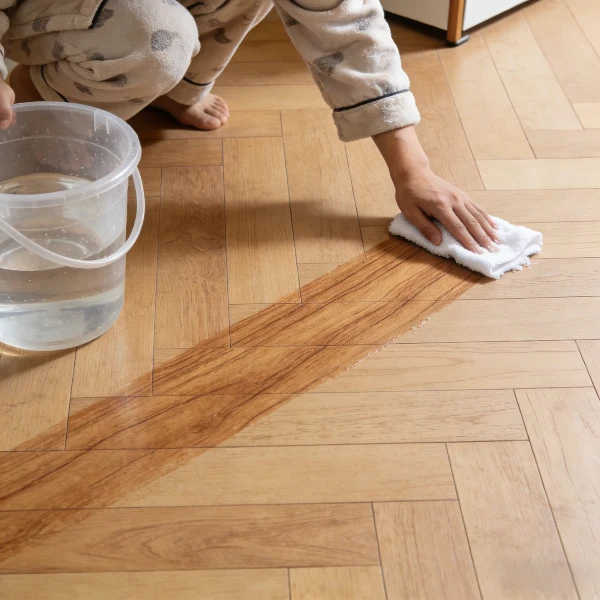
- Use a microfiber cloth – After mopping, wipe the floor down with a dry microfiber cloth to soak up any remaining moisture.
- Let them air dry – Allow the floor to dry naturally for a few minutes before walking on it.
- Use a dry mop – A dry microfiber mop can help speed up the drying process without leaving streaks or water spots.
Drying your floors properly is essential to keep them in tip-top shape.
Tips for Ongoing Hardwood Floor Maintenance
Once your floors are clean, a few simple habits can help protect the finish and keep your hardwood looking great between deep cleans.
Prevent Scratches with Furniture Pads
One of the best ways to protect your hardwood floors is by using furniture pads. These felt pads go under the legs of furniture, preventing scratches and dents. Heavy items like couches, tables, and chairs can cause noticeable damage if not properly cushioned. Adding pads is a simple fix to avoid unnecessary wear and tear.
When to Polish Your Hardwood Floors
To keep your hardwood floors looking their best, you’ll want to polish them periodically. How often depends on foot traffic and how much wear your floors see. Generally, every 6-12 months is a good rule of thumb. You’ll want to use a wood polish that’s safe for hardwood and follow the manufacturer’s instructions. Regular polishing restores shine and adds an extra layer of protection to your floors.
Consider a Shoe-Free Policy
This may seem simple, but having a no-shoes policy indoors can significantly reduce the dirt and debris that makes its way onto your hardwood floors. Shoes often bring in grit and dirt that can scratch or dull the finish. By taking off shoes at the door, you’re helping keep your floors clean longer and reducing the amount of cleaning you need to do.
Common Mistakes to Avoid When Cleaning Hardwood Floors
When it comes to cleaning hardwood floors, there are a few common mistakes to watch out for:
- Using too much water – Excess moisture is one of the quickest ways to damage hardwood floors.
- Choosing the wrong cleaning products – Harsh cleaners can strip the finish or cause discoloration. Stick to pH-neutral cleaners designed specifically for wood.
- Skipping the drying step – Not drying the floor immediately can cause streaks and potential water damage.
By avoiding these mistakes, you'll ensure your floors remain beautiful and durable for years to come.
Conclusion
Now that you know how to clean hardwood floors properly, you can keep them looking fresh and shiny with minimal effort. Regular cleaning and maintenance are key to preserving the natural beauty of your floors. Remember to remove dirt regularly, use the best hardwood floors cleaner, dry your floors properly, and add protective measures like furniture pads.