Laminate floors are an affordable, stylish choice for many American homes. While they're durable and easy to maintain, cleaning them the right way can help preserve their shine and lifespan. Whether you're doing a quick clean-up or deep cleaning, this step-by-step guide will show you exactly how to clean laminate floors, ensuring they stay looking great for years.
Why Proper Laminate Floor Cleaning is Essential
Laminate flooring is a practical, cost-effective option, but it's important to care for it properly. Unlike hardwood, laminate floors are not as resistant to moisture and can warp or swell if exposed to excess water. Proper laminate floor cleaning keeps them looking polished and prevents long-term damage. By learning how to clean laminate flooring correctly, you can maintain its beauty and durability while protecting your investment.
Regular cleaning of laminate floors removes dust and dirt that could scratch the surface. It also keeps them looking shiny and fresh, giving your home a well-maintained feel. Many homeowners ask, " How can I clean laminate floors safely without causing damage?' The answer lies in using minimal moisture and the right tools.
Step-by-Step Guide to Cleaning Laminate Floors
Cleaning laminate floors doesn't have to be complicated. If you're wondering how can you clean laminate floors effectively, the process simply involves dry debris removal, gentle mopping, and proper drying. Below is a breakdown of the best way to clean laminate floors, from routine maintenance to deeper cleaning.
If you're doing a whole-house refresh, it’s usually best to clean the windows first and the floors last, so dust doesn't settle on areas you've just cleaned.
Sweep or Vacuum First
Before you start mopping, it's essential to remove loose dirt and debris. This is especially important when learning how to clean laminate wood floors, since trapped grit can create small scratches over time.
Tips for Removing Dust and Dirt:
Use a microfiber broom or mop to capture dust without damaging the surface.
Vacuum with a soft floor setting to avoid scratching the laminate. Avoid using vacuums with rotating brushes as they can leave scuff marks.
Mop with the Right Cleaner
After sweeping or vacuuming, it's time to mop. Choosing the best way to clean laminate flooring involves selecting a gentle cleaner and avoiding excess water.
Choosing the Best Cleaner for Laminate Floors:
Opt for a laminate floor cleaner that's gentle yet effective. These products are designed to clean without damaging the protective layer of your floors.
DIY Cleaning Solution: You can make a simple, safe cleaner by mixing water with a few drops of mild dish soap or vinegar. Just be sure to dilute it properly to avoid leaving any residue behind.
Steps for Mopping:
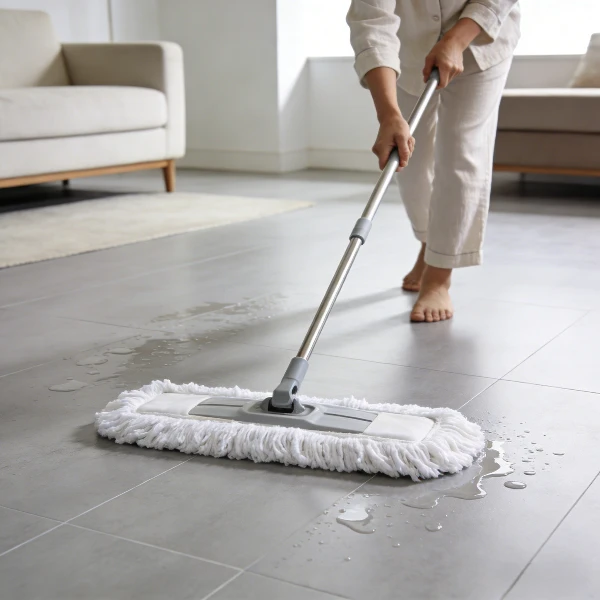
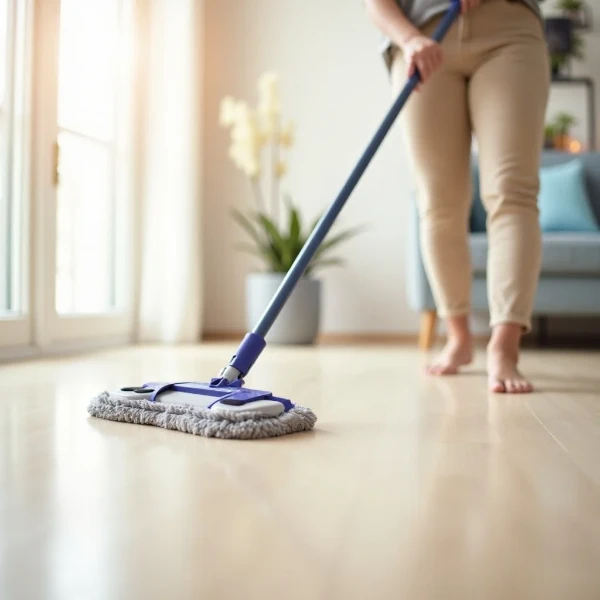
Dampen your mop with the cleaner, making sure it's not soaking wet—excess water can harm laminate floors.
Mop in sections, starting from the farthest corner and working toward the exit to avoid stepping on the wet floor.
Wipe up any excess moisture immediately to prevent water damage.
Dry the Floor Properly
Drying your laminate floors after cleaning is crucial. Excess moisture can seep into the seams and cause the boards to swell, leading to long-term damage.
Why Drying Is Important:
Prevents water damage: Standing water can warp laminate flooring, affecting both its appearance and performance.
Keeps floors streak-free: A dry mop or cloth helps remove any remaining moisture, leaving your floors streak-free and shiny.
Use a clean microfiber cloth or towel to wipe up any water, making sure no moisture is left behind.
How Often Should You Clean Laminate Floors?
How often should you clean laminate floors? The answer depends on how much traffic your floors see, but here's a general guideline to follow:
Daily Care:
Quick sweeping or vacuuming removes dirt and dust, helping to prevent scratches. A daily dusting helps keep the floors looking clean.
Weekly Cleaning:
Mop your floors once a week to keep them fresh and clean. Use a gentle laminate floor cleaner or a DIY solution for best results.
Monthly Deep Clean:
Take extra care once a month. This includes a more thorough cleaning, focusing on tough spots or stains, and using a high-quality laminate cleaner to keep your floors looking shiny. This ensures you're consistently using the best way to clean laminate floors while preserving shine.
Deep cleaning is also a good time to handle any surprise messes around the house, especially in nearby rugs and carpets. If you’re dealing with an accident, here’s how to clean vomit from carpet safely and thoroughly without leaving odors behind.
What is the Best Cleaner for Laminate Floors?
Choosing the right laminate cleaner is key to maintaining your floors' beauty. Some products are too harsh, while others don't clean effectively. Here are a few top recommendations:
Bona Hard-Surface Floor Cleaner: This well-known cleaner is a favorite for laminate floors because it's safe, effective, and leaves no streaks. It's perfect for regular use.
Black Diamond Wood & Laminate Floor Cleaner: Known for its gentle formula, this cleaner works well on laminate without leaving a residue, making it ideal for homes with pets or kids.
DIY Solution (Water + Vinegar): If you prefer a natural option, mix water with a few tablespoons of white vinegar for an affordable, effective cleaner.
How to Keep Your Laminate Floors Shiny Longer
Keeping your laminate floors shiny and looking like new requires more than just cleaning. Here are some easy ways to extend their life and maintain that fresh, glossy appearance.
Use Mats and Rugs: Place rugs at entryways to catch dirt and moisture, which helps protect your floors from damage.
Keep Pet Nails Trimmed: Pets can scratch laminate floors with their sharp claws. Regularly trim their nails to avoid scuffs and scratches.
Prevent Sun Damage: Over time, sunlight can fade laminate floors. Use curtains or blinds to shield your floors from direct sunlight, especially in high-traffic areas.
Bonus Tips: The Do's and Don'ts of Laminate Floor Cleaning
To help you protect your investment, here's a collected of essential do's and don'ts of laminate floor cleaning.
The Do's of Laminate Floor Cleaning
Do Use a Microfiber Mop
A microfiber mop is one of the safest and most effective tools for laminate floors. It gently traps dust, dirt, and pet hair without scratching the surface. For routine cleaning, dry mopping several times a week helps prevent buildup that can dull the finish.
Do Clean Spills Immediately
Laminate flooring is moisture-resistant, not waterproof. Any spilled liquid should be wiped up right away using a soft cloth or paper towel. Quick action prevents moisture from seeping into the seams, which can lead to swelling or warping.
Do Use Manufacturer-Approved Cleaners
Always choose cleaning products specifically formulated for laminate floors. These cleaners are designed to protect the wear layer and prevent streaking or residue. When in doubt, check your flooring manufacturer's recommendations.
Do Vacuum with the Correct Setting
If you use a vacuum, make sure it's set to “hard floor” mode or does not use a rotating brush or beater bar. Rotating brushes can cause micro-scratches over time.
Do Use a Damp (Not Wet) Mop When Necessary
For deeper cleaning, lightly dampen your microfiber mop. The mop should feel slightly moist — never dripping wet. Excess water is one of laminate flooring's biggest enemies.
The Don'ts of Laminate Floor Cleaning
Don't Use Excess Water
Avoid soaking your floor or using traditional string mops. Too much water can seep between planks, causing them to swell, buckle, or separate.
Don't Use Steam Cleaners
Steam cleaners expose laminate to high heat and moisture, which can damage the core layer and break down adhesives. Even if the surface looks sealed, steam can cause long-term structural issues.
Don't Use Abrasive Scrubbers
Steel wool, stiff brushes, or scouring pads can scratch the protective top layer. Once scratched, laminate cannot be refinished like hardwood.
Don't Apply Wax or Polish
Unlike hardwood floors, laminate does not need waxing or polishing. These products can leave a cloudy, slippery residue that’s difficult to remove.
Don't Use Harsh Chemical Cleaners
Avoid bleach, ammonia, or oil-based cleaners. These can strip the finish, cause discoloration, and reduce the lifespan of your flooring.
Conclusion
Now that you know how to clean laminate floors, it's easier than ever to keep them in top condition. Whether you're cleaning up after a busy week or doing a deep clean, following these simple steps will help your floors stay sparkling for years. Remember, regular cleaning, the right products, and a bit of care go a long way in preserving the beauty of your laminate floors.