Luxury vinyl plank (LVP) flooring is an increasingly popular choice for homeowners who want the look of hardwood floors without the high cost or maintenance. If you're wondering how to clean LVP flooring effectively, you're in the right place! This step-by-step guide will help you keep your LVP floors looking fresh, shiny, and protected from damage. Whether you're dealing with daily dirt or tough stains, these tips will ensure your floors stay beautiful for years to come.
Why Keeping Your LVP Floors Clean Is Essential for Their Longevity and Appearance
LVP floors are durable, but just like any flooring, they need regular care to maintain their beauty. Keeping your floors clean prevents dirt and debris from scratching the surface, while also protecting the finish. Over time, neglecting to clean LVP floors can cause discoloration, wear, and even permanent damage. Regular cleaning ensures that your floors stay in great shape, enhancing both their appearance and longevity.
A Brief Overview of LVP Flooring's Popularity
LVP flooring mimics the elegant look of hardwood but offers added durability, water resistance, and a much lower price tag. Its versatility makes it perfect for any room in your home, from kitchens to bathrooms. LVP's affordability and ease of installation have made it a go-to choice for homeowners, and because it's so low-maintenance, it's a practical option for busy families. With the right care, LVP flooring can last for many years without losing its appeal.
Daily and Weekly Cleaning Routine for LVP Floors
To keep your LVP floors looking their best, setting up a regular cleaning routine is key. A simple daily and weekly routine can help prevent dirt buildup and keep your floors fresh.
Sweep and Vacuum: Importance of Removing Loose Dirt and Debris Without a Beater Bar
Start by removing loose dirt and debris from the surface of your LVP floors. Sweeping or vacuuming regularly will prevent dirt from scratching the surface. Be sure to use a vacuum with a soft brush attachment and avoid models with beater bars, as these can damage the protective layer of the floor.
Damp Mopping with Warm Water: Step-by-Step Instructions with Mild Dish Soap or pH-Neutral Cleaner
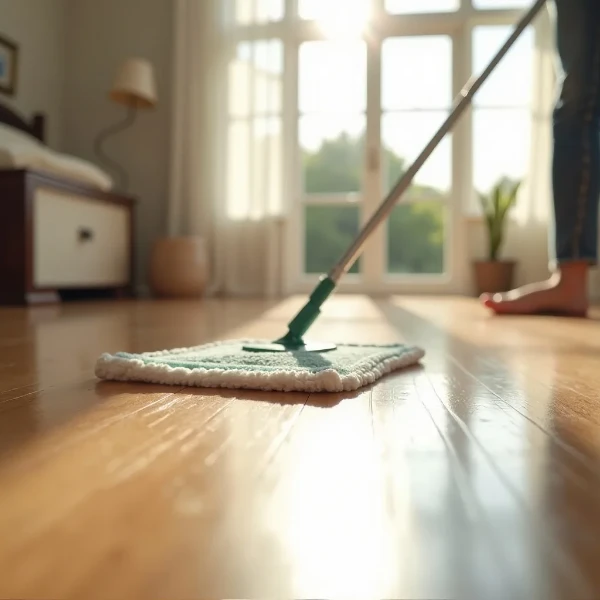
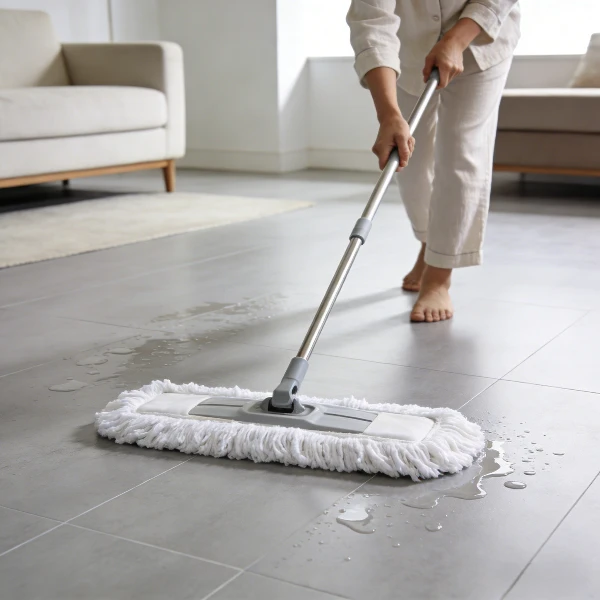
For deeper cleaning, damp mopping with warm water is your best bet. Use a few drops of mild dish soap or a pH-neutral cleaner made for LVP floors. Avoid using excessive amounts of water, as it can seep into seams and damage your flooring. Mop in small sections to avoid water pooling, and make sure your mop is damp—not soaking wet.
Wring Out the Mop: Why Excess Water Can Damage the Seams of LVP Flooring
It's crucial to wring out your mop thoroughly before using it. Excess water can seep into the seams of the planks, potentially causing them to warp or swell over time. Keep the mop just damp enough to clean effectively without soaking the floor.
Mop in Sections: Working with the Grain to Avoid Streaks and Maximize Effectiveness
To avoid streaks, always mop in small sections, following the grain of the planks. This technique ensures an even application of cleaner and prevents streaks from forming. Taking your time with this step will leave your floors looking polished and streak-free.
Drying the Floor: Quick Drying with a Microfiber Cloth to Prevent Watermarks and Streaks
After mopping, quickly dry the floor with a microfiber cloth to prevent watermarks or streaks. Microfiber is excellent for this purpose because it traps moisture and helps dry the floor faster without leaving lint behind.
In-Depth Cleaning Techniques for Stubborn Marks and Tough Spots
Even with regular cleaning, tough stains and marks may need extra attention. These in-depth cleaning techniques will help you deal with more stubborn spots.
Removing Stubborn Marks: Using a Baking Soda Paste and Gentle Scrubbing
For scuff marks or stains, make a paste using baking soda and water. Apply it directly to the mark, and then gently scrub using a soft cloth or sponge. Avoid using harsh scrubbing tools, as these can scratch the surface of your LVP floor.
Dealing with Grease or Adhesive Stains: How to Use Mineral Spirits or Isopropyl Alcohol
If you're dealing with grease or adhesive stains, use a small amount of mineral spirits or isopropyl alcohol. Apply it to a clean cloth and gently rub the stained area until it lifts. Be sure to test it on an inconspicuous spot first to make sure it doesn’t affect the finish.
Deep Cleaning for LVP Floors: Periodic Deep Cleaning with Diluted pH-Neutral Cleaner
For a thorough clean, consider deep-cleaning your LVP floors every few months. Use a diluted pH-neutral cleaner to break down grime and buildup. Avoid harsh chemicals, as they can damage the floor’s finish. A good deep cleaning will refresh your floors and remove any stubborn dirt that regular cleaning might miss.
For more tips on caring for other types of flooring, be sure to check out our guide on how to clean hardwood floors.
Common Mistakes to Avoid When Cleaning LVP Flooring
Cleaning LVP floors may seem simple, but there are some common mistakes that could lead to long-term damage. Avoid these pitfalls to keep your floors in top shape.
Avoiding Steam Mops and High Heat: Why They Can Damage the Wear Layer
Steam mops and high heat can be tempting, but they can cause serious damage to LVP floors. The heat can melt or warp the wear layer, leading to permanent marks. Stick to damp mopping instead, using warm water and a mild cleaner for the best results.
Refrain from Using Harsh Chemicals: Ammonia, Bleach, and Oil-Based Products Can Dull or Discolor the Floor
Avoid using harsh cleaning products like ammonia, bleach, or oil-based cleaners. These can damage the floor's finish and cause discoloration or dullness. Stick to pH-neutral cleaners to keep your floors safe and shining.
Never Use Abrasive Tools: Steel Wool or Stiff Brushes Can Scratch the Surface
Abrasive tools like steel wool or stiff-bristled brushes can easily scratch LVP floors, leaving visible marks. Always use soft, microfiber cloths or mops, and avoid anything abrasive to maintain your floor’s smooth surface.
Prevent Excess Water: Why Flooding the Floor Can Harm the Seams
Excess water is one of the biggest enemies of LVP flooring. If water seeps into the seams, it can cause the planks to swell, warp, or become damaged. Always use minimal water when cleaning, and make sure to dry your floors promptly.
Best Products for Cleaning LVP Flooring
Choosing the right cleaning products is essential for maintaining the quality of your LVP floors. Below are some of the best options to ensure a thorough yet safe clean.
Recommended Cleaning Solutions: pH-Neutral Cleaners Like Bona, Zep, or Mild Dish Soap
For regular cleaning, opt for pH-neutral cleaners. Bona and Zep are both reputable brands that are gentle on your floors while effectively cleaning. If you prefer a budget-friendly option, a mild dish soap works well too. Just make sure it’s diluted and doesn't leave residue.
Best Tools for the Job: Microfiber Mops and Soft-Bristled Brushes
Microfiber mops are a must-have for LVP floors. They’re soft, absorbent, and gentle, making them perfect for regular cleaning without scratching. Soft-bristled brushes are also helpful for spot cleaning or tackling stubborn stains.
Tools to Avoid: Steam Mops, Abrasive Scrubbing Pads, and Vacuums with Beater Bars
Avoid using steam mops or vacuums with beater bars. These can damage the protective layer of your LVP floors, leading to long-term problems. Similarly, abrasive scrubbing pads can scratch and dull the surface, so it's best to steer clear of them.
Conclusion
When it comes to cleaning LVP flooring, a little regular maintenance goes a long way. By following the steps outlined above, you can keep your floors looking great and lasting longer. Whether you're cleaning up daily dirt or tackling tougher stains, the right products and techniques are essential. Keep your LVP floors in top shape by setting up a cleaning schedule and sticking to it.