A carbon monoxide (CO) alarm is a life-saving device designed to protect you from the dangers of this odorless, colorless gas. But when the alarm goes off, it’s essential to know how to turn off a carbon monoxide alarm safely and effectively.
This guide will help you understand the common reasons for an alarm to activate, how to silence it, and what steps to take if the alarm keeps going off. Always remember that your safety comes first, so follow these steps carefully to keep your home safe.
Why Is My Carbon Monoxide Alarm Going Off?
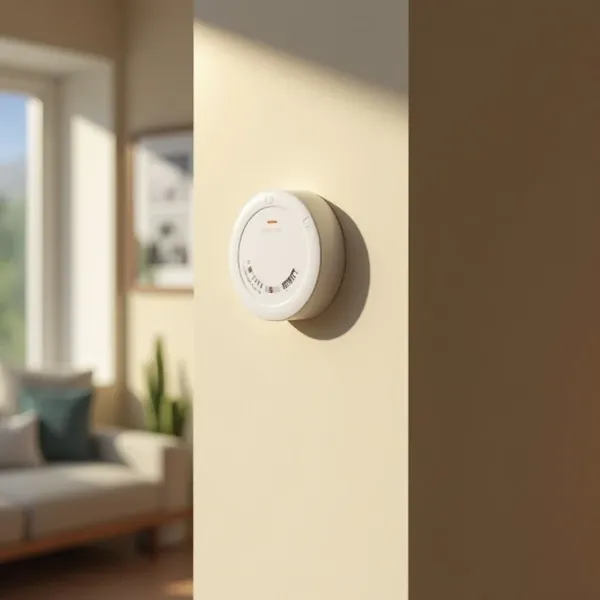
If your carbon monoxide alarm is sounding, it’s important to figure out the cause before you act. Here's what might be triggering the alarm:
- Carbon Monoxide Leak: The most common reason for an alarm to go off is a dangerous CO leak in your home. If this happens, evacuate immediately and call emergency services.
- Faulty Detector: Sometimes the alarm might be faulty or the sensor may have worn out, causing it to go off without a real danger present.
- Low Battery: If your battery is running low, it can cause the alarm to beep continuously as a warning.
- Environmental Factors: Things like high humidity, extreme temperatures, or dust can sometimes interfere with the alarm's sensors.
- Poor Ventilation: Issues with gas-powered appliances, such as stoves or heaters, could lead to the buildup of CO, triggering the alarm.
In any case, if your CO alarm sounds, always treat it as a potential emergency. Evacuate the area, and only return once you're certain the air is safe and the alarm has been reset.
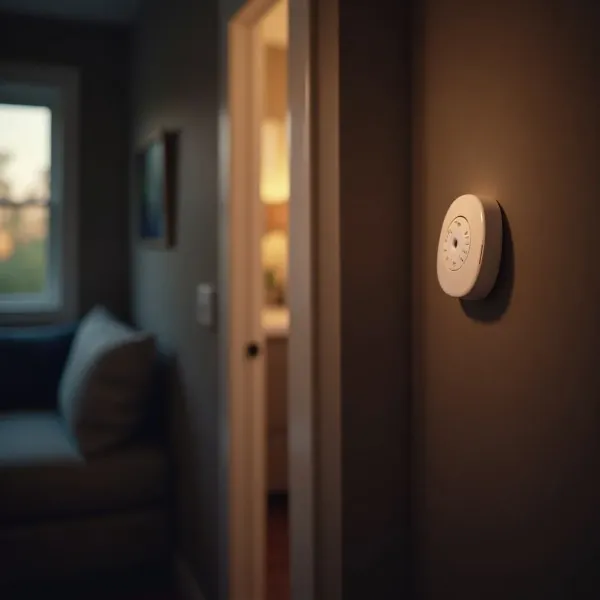
How to Turn Off or Silence a Carbon Monoxide Alarm
Once you’ve ensured that it’s safe to do so, here’s how you can silence your carbon monoxide alarm:
- Evacuate First: Always ensure everyone is safely outside before you attempt to silence the alarm. If there’s any chance CO is present, your first priority is getting out of the house.
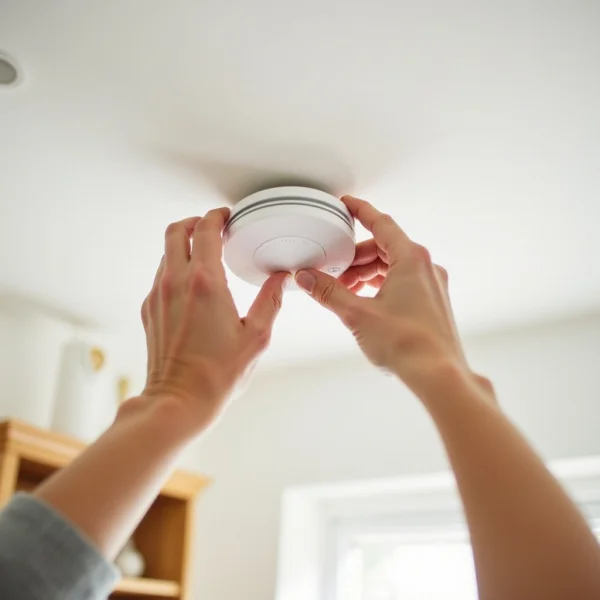
- Press the Reset Button: Most CO alarms have a reset button. Hold it down for a few seconds to stop the sound. Keep in mind that this should only be done if you’re sure it’s safe, and there’s no longer any CO in the air.
- Turn Off the Source of the Alarm: If the alarm was triggered by a gas appliance, like a stove or furnace, immediately shut it off. Ventilate the area by opening windows and doors to let fresh air in.
- Check the Battery: A weak battery might cause the alarm to beep. If the alarm is still going off after you’ve pressed the reset button, replace the battery with a fresh one.
- Test the Alarm: After silencing the alarm, test it to make sure it’s still functioning correctly. Follow the manufacturer’s instructions for testing.
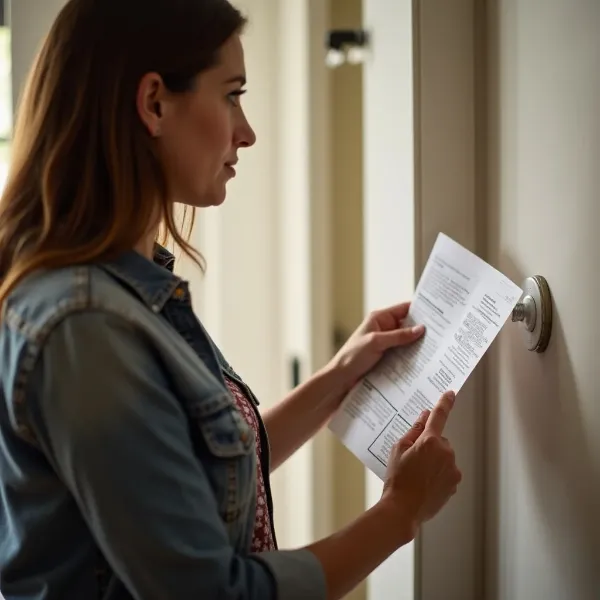
What to Do If the Alarm Keeps Going Off
If your carbon monoxide alarm continues to go off after following the above steps, it’s important to keep calm and troubleshoot further:
- Check for Carbon Monoxide: If you haven’t already, evacuate everyone from the house and get some fresh air. Contact a professional to measure CO levels in the house.
- Inspect the Alarm: Look for any obvious signs of damage, dirt, or buildup on the alarm. Sometimes dust or insects can interfere with the sensor. Clean your alarm according to the manufacturer’s instructions or replace it if necessary.
- Replace the Battery: Even if you’ve just replaced the battery, try again. Some alarms may have trouble resetting or detecting a battery change. Replace it with a fresh one to rule out battery-related issues.
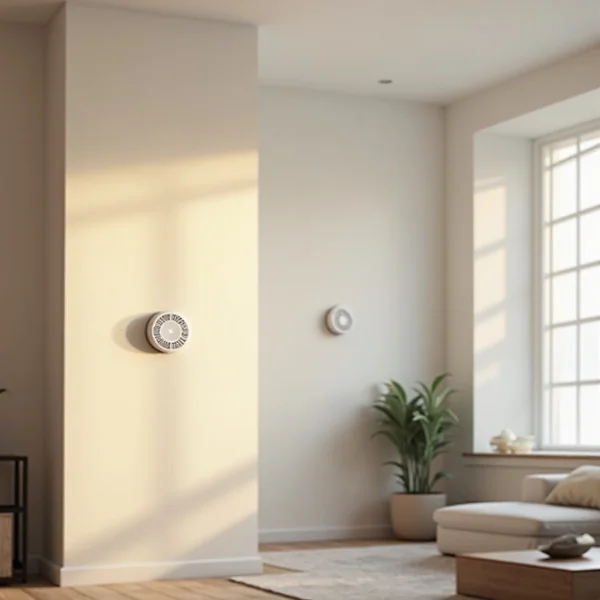
- Reposition the Alarm: If the alarm is located in a place with high humidity, like near a bathroom or kitchen, try moving it to a better location where the air is less likely to trigger false alarms.
- Call a Professional: If the alarm continues sounding, it might be due to a gas leak or another issue with your home’s ventilation. Contact a certified technician to inspect the situation.
Conclusion
Knowing how to turn off a carbon monoxide alarm safely is crucial for every homeowner. Always treat the alarm seriously and ensure the safety of your family before attempting to reset the alarm. If it’s a false alarm, follow the steps to silence it. But if the alarm continues or you suspect a carbon monoxide leak, don’t hesitate to call for professional help. Your safety should always come first, so stay vigilant and keep your CO detectors in good working order.