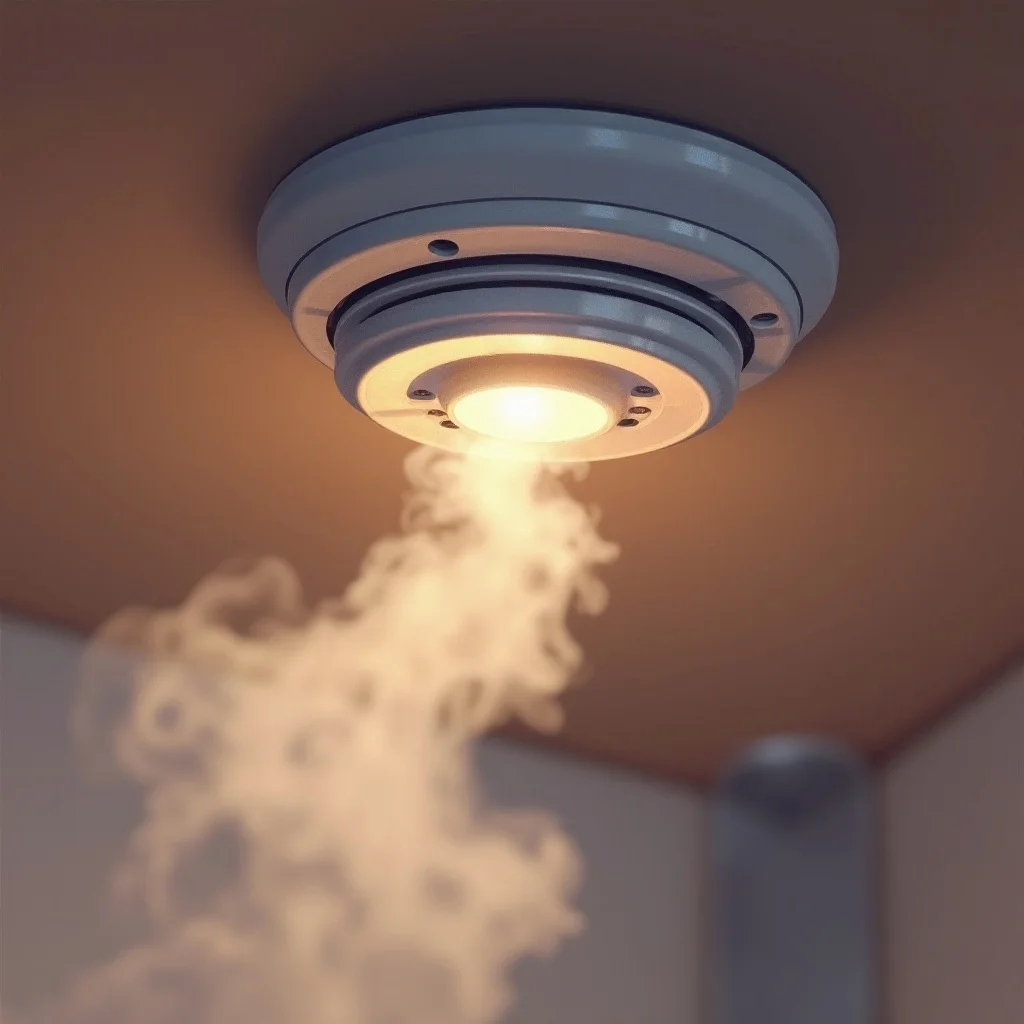
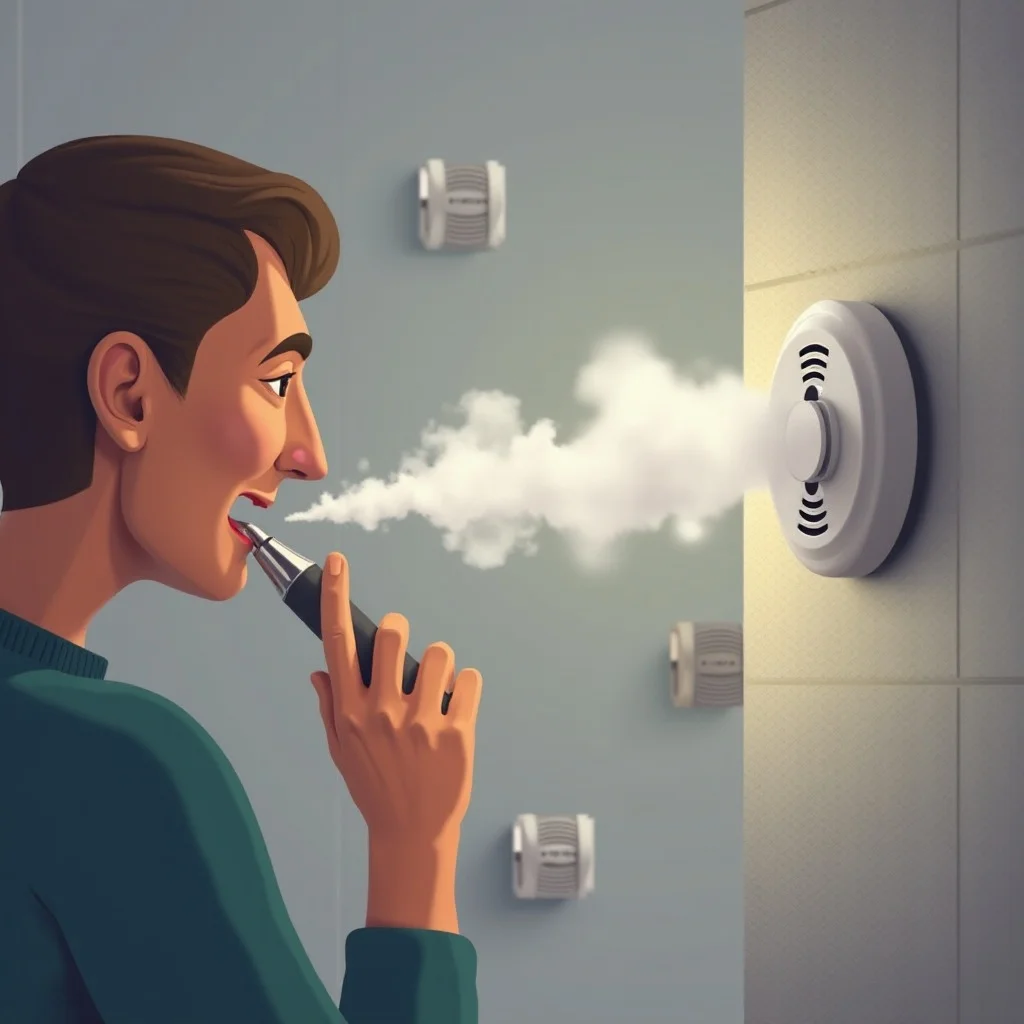
A smoke detector chirping in the middle of the night can be an annoying and stressful experience. That beeping sound might make you think there’s a serious issue, but in most cases, it’s something simple that needs attention.
Understanding why your smoke detector is chirping—and knowing how to stop it—can save you time, reduce your stress, and ensure that your home stays safe. In this guide, we’ll explore the most common causes of smoke detector chirping and provide practical solutions to get things back in order.
What Does It Mean When Your Smoke Detector Chirps?
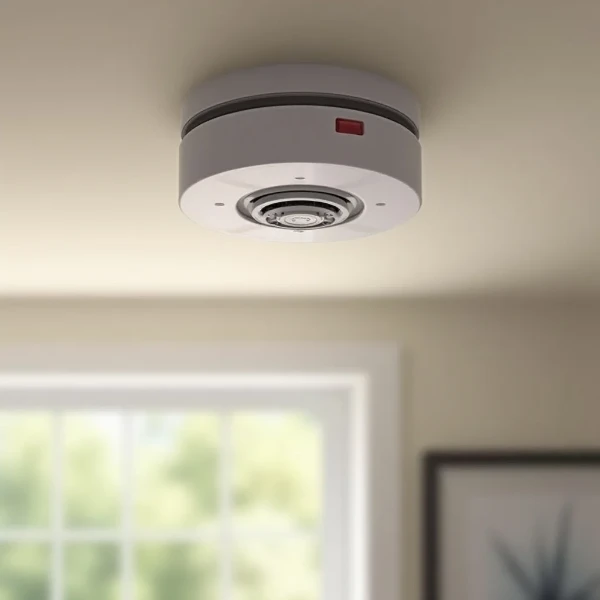
If your smoke detector is chirping, it’s often trying to tell you something. This isn’t the same as the loud, alarming sound that indicates a fire. Instead, it’s usually a gentle, repetitive beep that signals an issue you can fix. It could be something minor, like a low battery, or something a bit more involved, like needing a good cleaning. The key is addressing it quickly to avoid any bigger problems.
Why Should You Address the Chirping Immediately?
If you’re hearing your smoke detector chirping, it’s best to deal with it as soon as possible. Here’s why:
- Safety Concerns: Although chirping usually points to minor issues, you don’t want to risk ignoring it. Ensuring your smoke detector is in good working order is essential for keeping your family safe and helping you secure your home.
- Prevention: A malfunctioning detector might not sound off in a real emergency. Fixing it now means it will work when you need it most.
- Stress-Free Living: The constant chirping can be incredibly annoying. Fixing the problem will bring peace and quiet back to your home.
Common Causes of Smoke Detector Chirping
There are several reasons why a smoke detector might start chirping. Let’s take a look at the most common ones, so you can figure out what’s causing the noise in your home. Also, if you have a combo unit, the chirping may be coming from the carbon monoxide detector rather than the smoke sensor.
Low Battery – The Most Common Reason
The most frequent cause of smoke detector chirping is a low battery. Smoke detectors typically chirp to alert you when the battery is running low, usually several days before it’s fully dead. If you’re hearing that annoying beep, the first thing to check is the battery.
Dust or Debris in the Smoke Detector
Over time, dust and debris can build up inside the smoke detector, disrupting its sensors. This can cause the alarm to chirp, even though there’s no fire or smoke. If your detector is located near a kitchen, garage, or high-traffic area, dust buildup can happen more quickly.
High Humidity or Steam
Steam and high humidity are often the culprits behind false alarms or chirping sounds. If your smoke detector is located in a bathroom or near the kitchen, moisture from a hot shower or cooking could trigger the sensor, causing it to beep.
The End of Life Warning
Smoke detectors don’t last forever. Many models have an end-of-life feature that causes them to chirp when it’s time to replace the entire unit. If your smoke detector is more than 10 years old, it might be telling you it’s time for a replacement.
Interconnected Alarms Chirping in Sync
If you have interconnected smoke detectors in your home, a problem with one unit can cause all of them to chirp at the same time. This can be a bit overwhelming, but it usually just means that one unit is malfunctioning, and the rest are alerting you to the issue.
How to Fix a Chirping Smoke Detector
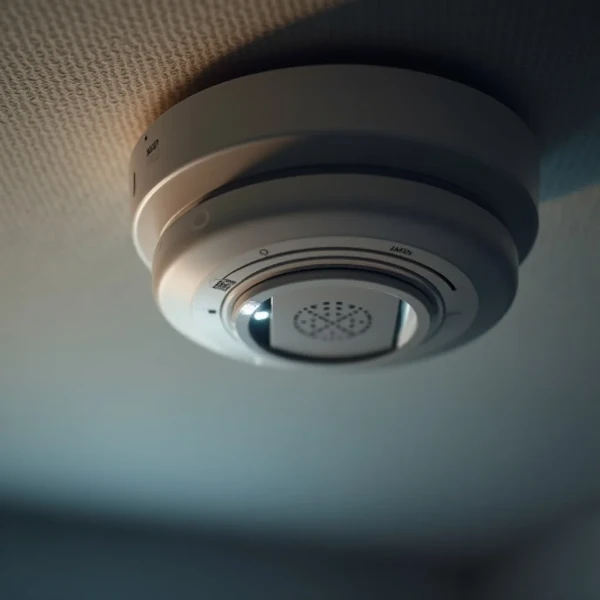
Now that you know what might be causing your smoke detector to chirp, here’s how to fix it step by step.
Step 1: Replace the Battery
The easiest fix for a chirping smoke detector is to replace the battery. Even if the battery isn’t completely dead, a new one will stop the chirping and ensure the detector is working properly. Make sure you use the correct battery type for your smoke detector.
Step 2: Clean the Smoke Detector
If dust or debris is causing the chirping, cleaning the unit should do the trick. Use a soft brush or a can of compressed air to gently clean the vents and sensors. This is especially important if your detector is in a dusty or high-traffic area.
Step 3: Reset the Alarm
Once you’ve replaced the battery or cleaned the smoke detector, it’s a good idea to reset the alarm. Most detectors have a reset button. Pressing it will stop the chirping and return the device to normal operation.
Step 4: Check Environmental Factors
If you live in a humid environment or the detector is in a room with high steam (like a bathroom or kitchen), humidity could be triggering the alarm. Make sure to reduce moisture by using an exhaust fan or moving the detector to a more suitable location.
Step 5: Check the Expiration Date
Smoke detectors usually last around 10 years. If your smoke detector is older, the chirping could be a signal that it’s time for a replacement. Check the back of the unit for a manufacturing date, and if it’s over 10 years old, it’s time to get a new one.
Step 6: Troubleshoot Interconnected Smoke Detectors
If you have interconnected smoke detectors, the chirping might be coming from just one faulty unit. You can troubleshoot by identifying the source of the chirping, either by disconnecting detectors one by one or by listening carefully for the chirp. Once you identify the faulty alarm, follow the steps above to fix it.

When to Call a Professional
If you’ve tried all the above fixes and your smoke detector is still chirping, it might be time to call in a professional.
If the Chirping Continues After Troubleshooting
If the chirping persists despite replacing the battery, cleaning the unit, and resetting the alarm, there may be an issue with the wiring or the unit itself. A professional technician can inspect your system and make necessary repairs.
Understanding When It’s Time to Replace Your Smoke Detector
If your smoke detector is over 10 years old or malfunctioning even after troubleshooting, it’s time to replace it. Newer models have improved technology and may offer better protection. Don’t risk your safety by holding on to an outdated device.
Preventing Future Smoke Detector Chirping
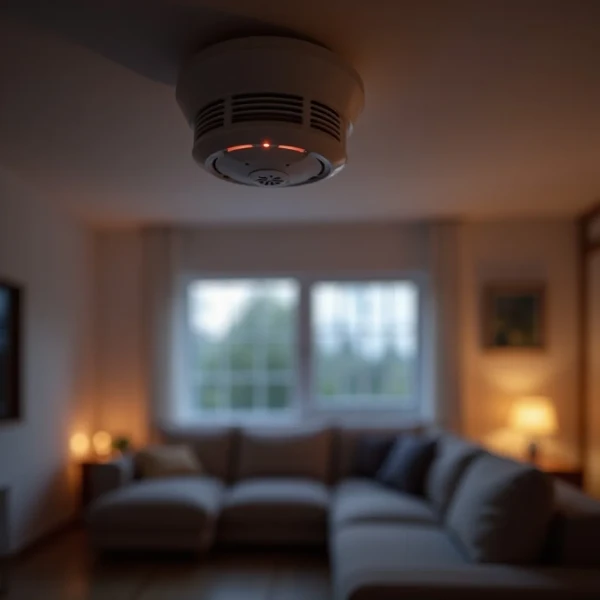
To keep your smoke detector in good shape and prevent future chirping, it’s essential to do some regular maintenance. Here are some tips for keeping your smoke detector functioning properly:
Regular Maintenance and Battery Changes
Changing the battery once a year is a good habit. Regular maintenance, like cleaning the unit and checking for dust buildup, can help your smoke detector work efficiently. You’ll also want to test the alarm monthly to ensure it’s working.
Proper Placement of Your Smoke Detectors
The location of your smoke detector plays a big role in preventing false alarms. Avoid placing it too close to the kitchen, bathrooms, or other humid areas. A good spot is on the ceiling in a hallway or near sleeping areas.
Keeping Your Home’s Environment Smoke-Detector Friendly
Keeping your home’s humidity levels in check is another way to prevent false chirps. Ensure that your home is well-ventilated, especially in areas where moisture is common, like bathrooms and kitchens.
Conclusion
A smoke detector chirping isn’t something to ignore. While it’s often due to a minor issue like a low battery or dust buildup, it’s important to address it promptly. By following the simple steps in this guide, you can get your smoke detector back to working order and make sure your home stays safe.
If the problem persists, don’t hesitate to call a professional to get things fixed. Remember, regular maintenance and proper placement of your smoke detectors are key to avoiding future issues.