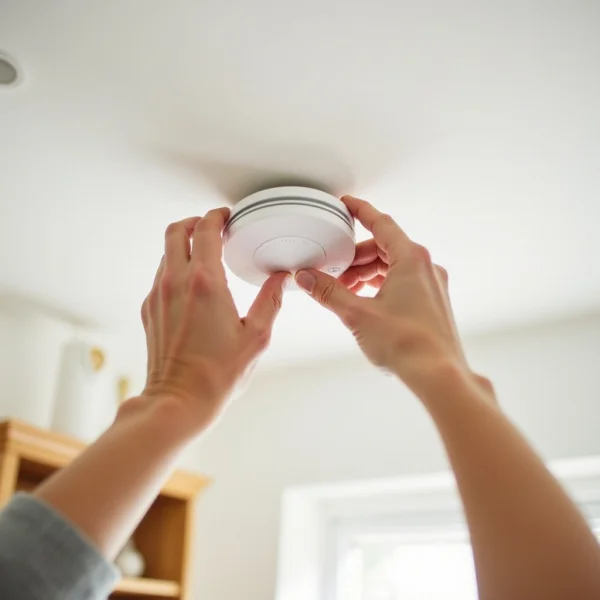
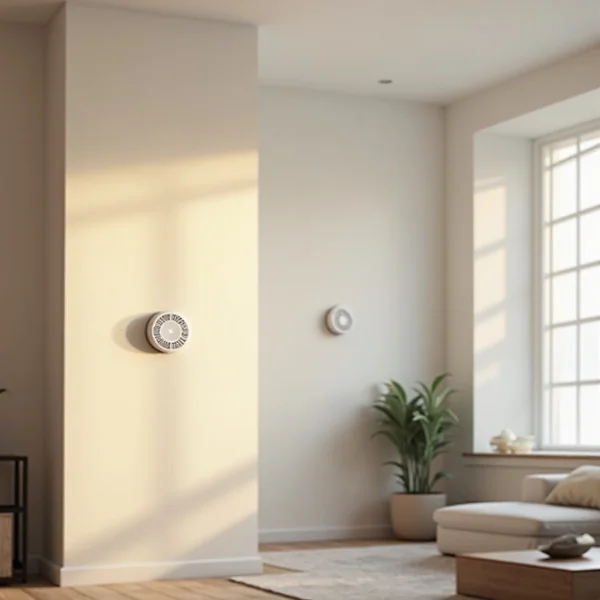
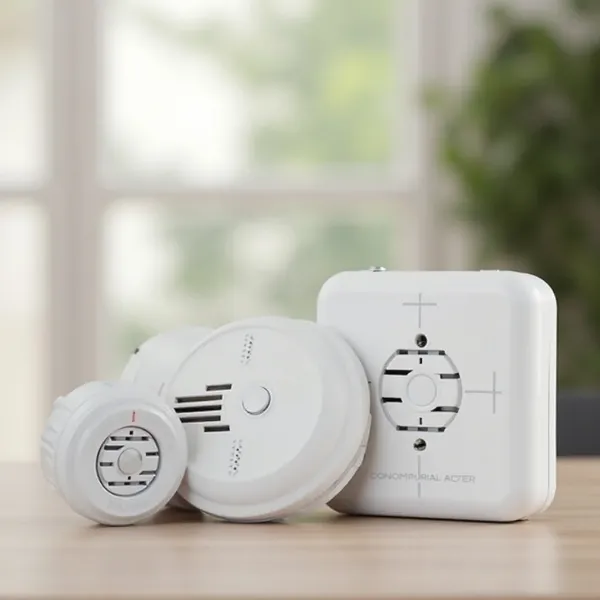
Carbon monoxide (CO) is a dangerous, odorless, and colorless gas that can be deadly if it builds up in your home. Installing carbon monoxide alarms in the right spots is essential for keeping your family safe.
In this guide, we’ll cover where to position carbon monoxide alarms, explain why proper placement matters, and help you avoid common installation mistakes.

Why Proper Placement of Carbon Monoxide Alarms Matters
Proper placement of your carbon monoxide alarms is vital for early detection of dangerous CO levels. These alarms are designed to alert you when carbon monoxide begins to build up in your home, giving you precious time to evacuate. But if they’re not placed correctly, your detectors might not pick up CO in time to prevent harm.
Carbon monoxide rises in the air, but it can also settle at floor level in certain conditions. For this reason, your alarms should be placed in areas where they can effectively monitor the air at various heights. By positioning them right, you'll improve your chances of catching CO buildup early and keeping your home safe.
In addition, installing alarms near sleeping areas ensures you’ll be awakened if CO levels become hazardous while you’re resting. The right placement of CO alarms could truly be a lifesaver.
Where Should You Install a Carbon Monoxide Alarm?
When figuring out where should carbon monoxide alarms be placed, keep these key areas in mind to ensure maximum protection:
- Near Sleeping Areas: Where should you place a carbon monoxide alarm? One of the most critical places to install a carbon monoxide alarm is in or near bedrooms. This ensures that if CO levels rise during the night, the alarm will wake you up. Place alarms in hallways outside sleeping areas so that everyone in the house can hear them.
- Levels: If your home has more than one floor, be sure to place a CO alarm on each level. CO can accumulate in any part of the house, including basements or upper floors, so it’s essential to cover every level of your home.
- Attached Garages: Since garages often house vehicles and equipment that can emit CO, it’s important to install a carbon monoxide detector near the garage door. CO from vehicles or gas-powered equipment can easily seep into your living areas, posing a risk to your family.
- Near Fuel-Burning Appliances: Any area where you have fuel-burning appliances, such as gas stoves, furnaces, or water heaters, should have a CO detector nearby. Malfunctioning appliances can release dangerous levels of CO, so it’s important to monitor these areas closely.

Common Pitfalls to Avoid When Installing Carbon Monoxide Alarms
While knowing where do you install a carbon monoxide alarm is important, avoiding common installation mistakes is just as crucial. Here’s what to keep in mind:
Too Close to Fuel-Burning Appliances
Placing your CO alarm too close to a fuel-burning appliance can cause it to go off unnecessarily. For best results, keep your alarms at least 15 to 20 feet away from appliances like stoves, fireplaces, and water heaters.
Avoid Hidden or Blocked Areas
Don’t tuck your CO detectors away in corners, behind furniture, or anywhere airflow is restricted. These areas can prevent the detector from working properly, leaving you unprotected. Always ensure there’s free airflow to the alarm.
Avoid Humid Areas
Humid areas, like bathrooms, aren’t ideal for CO detectors. Moisture can damage the alarm’s internal components, causing it to malfunction. Install your alarms in dry areas for reliable performance.
Other Mistakes to Avoid
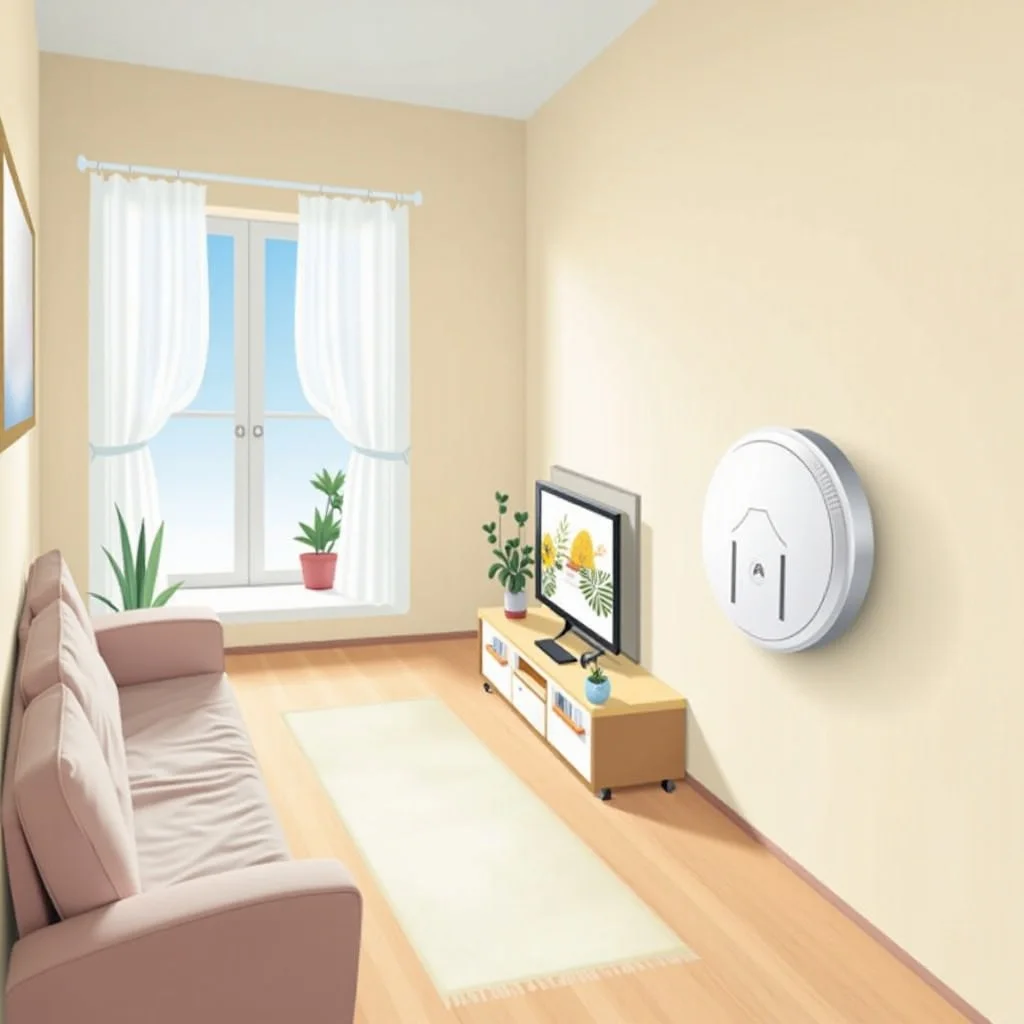
- Too High or Too Low: CO gas can accumulate at both higher and lower levels depending on the environment. To get the most accurate readings, install your alarms at about 5 feet from the ground.
- Near Air Vents or Windows: Avoid placing your CO alarms near air vents, open windows, or doors. Drafts can prevent CO from reaching the alarm, which may lead to false readings or failure to alert you.
More Tips for Installing a CO Alarm Properly at Home
Proper installation is just one part of keeping your home safe. Here are some additional tips to make sure your CO alarms are always working at their best:
- Test Your Alarms Regularly: Test your CO alarms at least once a month to make sure they’re working properly. Press the test button to check their functionality, and replace the batteries every six months.
- Install Multiple Alarms: For homes with multiple floors or areas with fuel-burning appliances, install more than one CO detector. This increases your chances of detecting CO early no matter where it starts building up.
- Use Interconnected Alarms: Many modern CO detectors can be interconnected, meaning when one alarm goes off, all alarms in the house will sound. This provides an added layer of security by ensuring that you hear the alert no matter where you are in the house.
- Follow Manufacturer’s Instructions: Always follow the manufacturer’s installation guidelines for your CO detectors. These instructions will provide the most accurate placement and installation advice for your specific model.
- Replace Old Alarms: CO alarms generally last between 5 to 7 years. After that, they should be replaced to ensure they continue to provide reliable protection.
Conclusion
Properly positioning carbon monoxide alarms is one of the simplest yet most effective ways to protect your family from this invisible danger. By knowing where to position carbon monoxide alarms—near sleeping areas, attached garages, and fuel-burning appliances—you’re ensuring that your home stays safe from harmful CO buildup. Avoiding common mistakes like placing alarms too close to appliances or in humid areas can make a huge difference in their performance. Regular testing and maintenance, along with correct installation, will give you peace of mind knowing that you’re well-prepared for any potential threat.